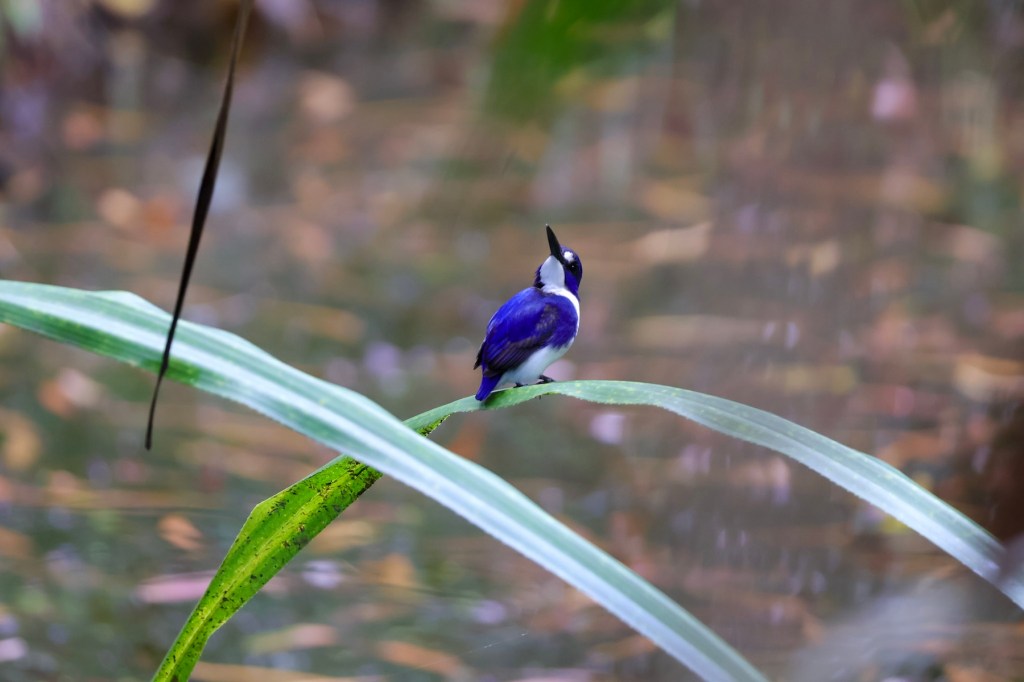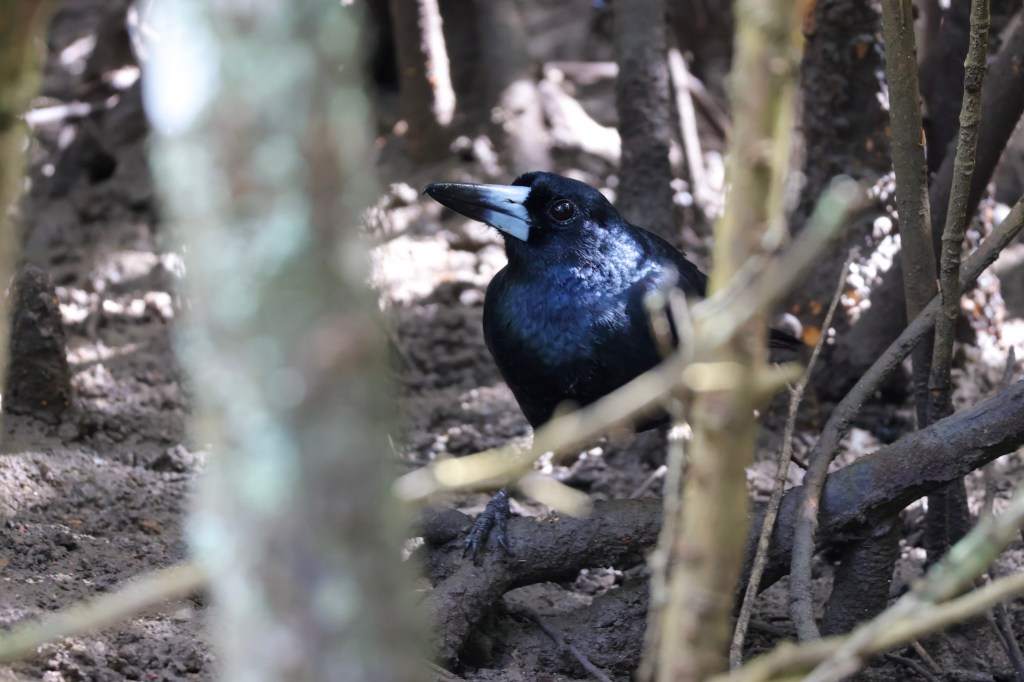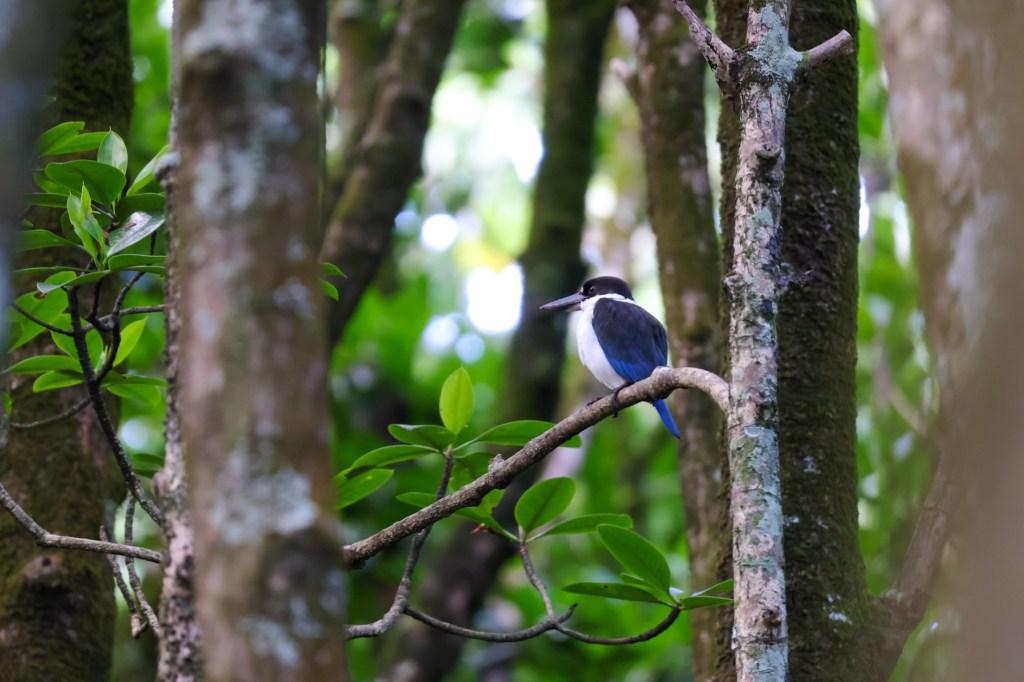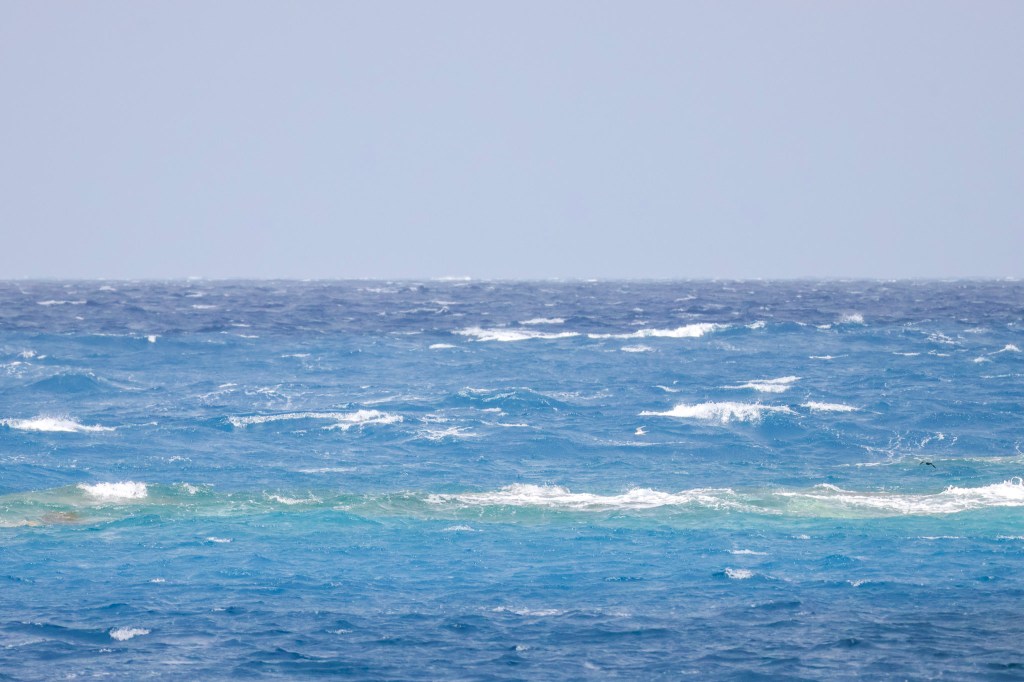
• This is part 2 of my school camp. This chapter brings us to the Brewarrina Fish Traps, an interesting and effective structure built by the Ngemba People, as well as Baiame and his sons.

    We Drove quickly west, and as we drove, me and my friend Ashley counted the Emus as we drove past. they were everywhere, and some families even had small chicks!

    Suddenly, Bang! A big male Red Kangaroo hopped out onto the road at the wrong time, and, as we were sitting in the front seat, we got a clear view of the roo hitting the bus. We tried to look behind us, but the dust was curling silently around the bus and we couldn’t see a thing (spoiler alert: one of the other teacher’s aids who was driving the Mercedes Van behind us later told us that the bus only clipped the roo’s tail, and it hopped away unharmed).

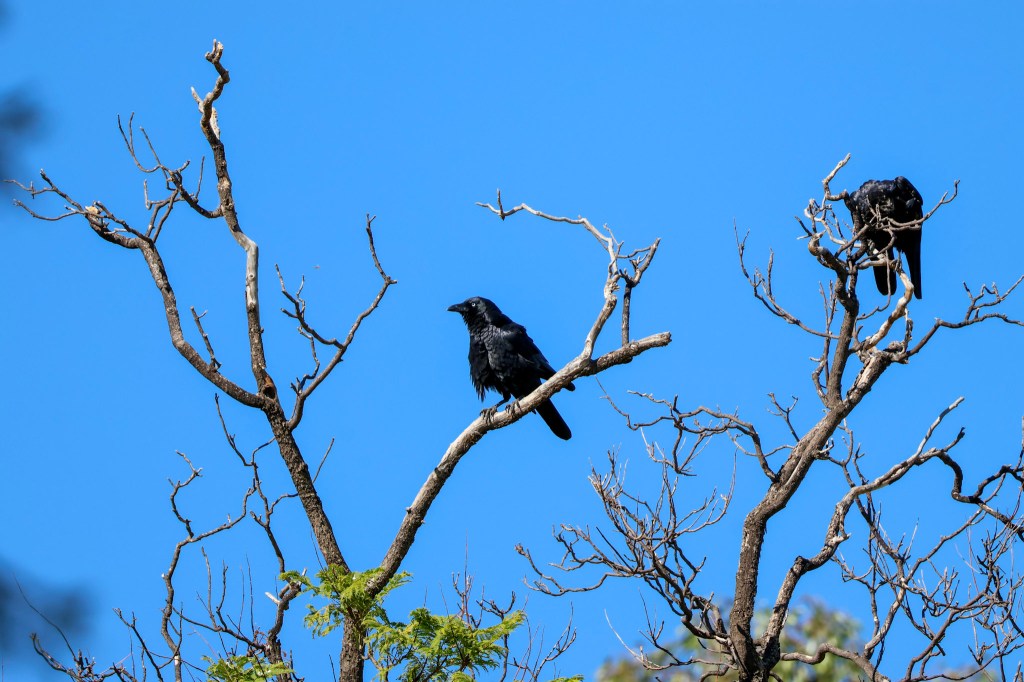
    We kept driving, knowing we could hit other things out there. A poor little Australasian Pipit flew out in front of the bus, and was immediately flattened. A small bird suddenly scuttled out from the dense undergrowth beside the bus. I got a good look at it as we drove past, and this bird was definitely a Buttonquail! I deduced this was a Little Buttonquail, the smallest and most common buttonquail out west. Another bird added to my life list! As we arrived in Brewarrina, my Emu count was up to 110, and I had seen lots more than just Emus. We got off the bus, and sat down on a large grassy area. There were Little Ravens everywhere, and I let my friend Lui photograph them with my camera.

    Little Raven, Corvus Mellori.

    We walked to the fish traps, with Restless Flycatchers calling around us. We all sat down, though I quickly stood back up and started walking around and searching for birds. A small flock of mixed finches flew up and I identified Double-barred Finch as well as Plum-headed Finch. A large amount of waterbirds sat on the rocks below, including three species of cormorant and two species of ducks.

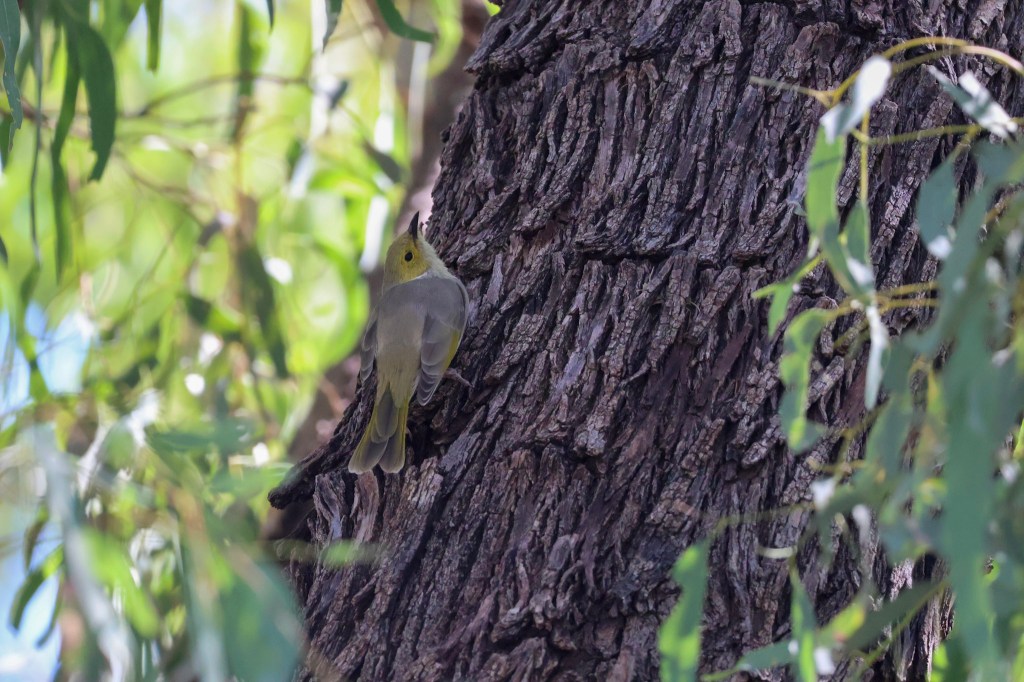
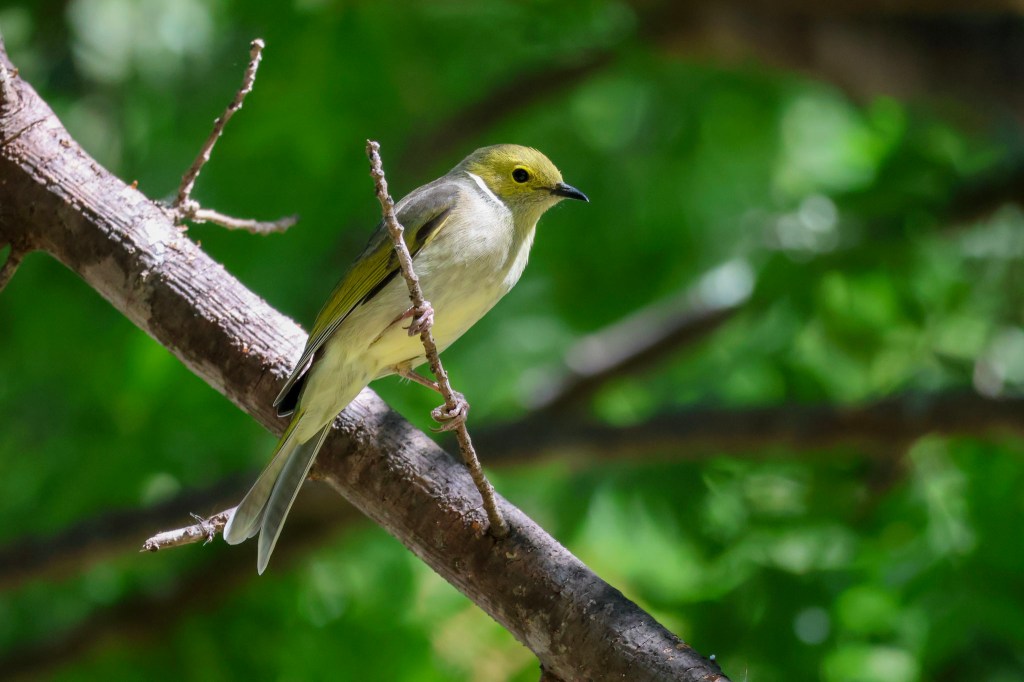
    I watched a small group of White-plumed Honeyeaters climbing up the eucalypt trees, searching for food in the bark.

    White-plumed Honeyeater, Ptilotula Penicillata.

    We were met by a nice man called Bradley, who told us about how the fish traps worked. I won’t go into the details, since this is a bird blog, but it was very interesting.

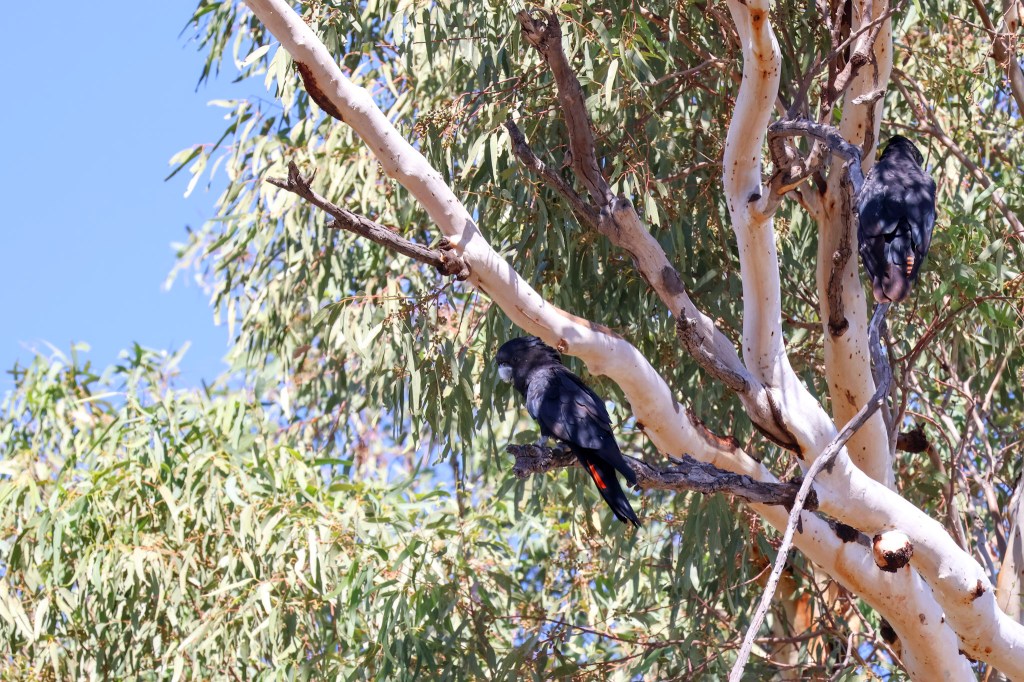
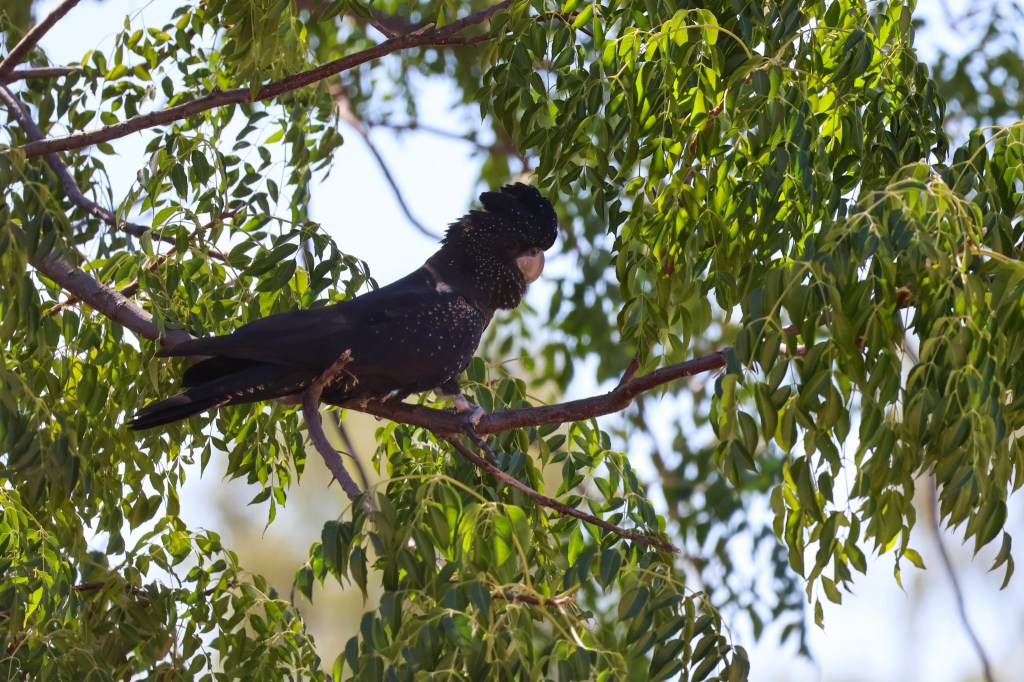
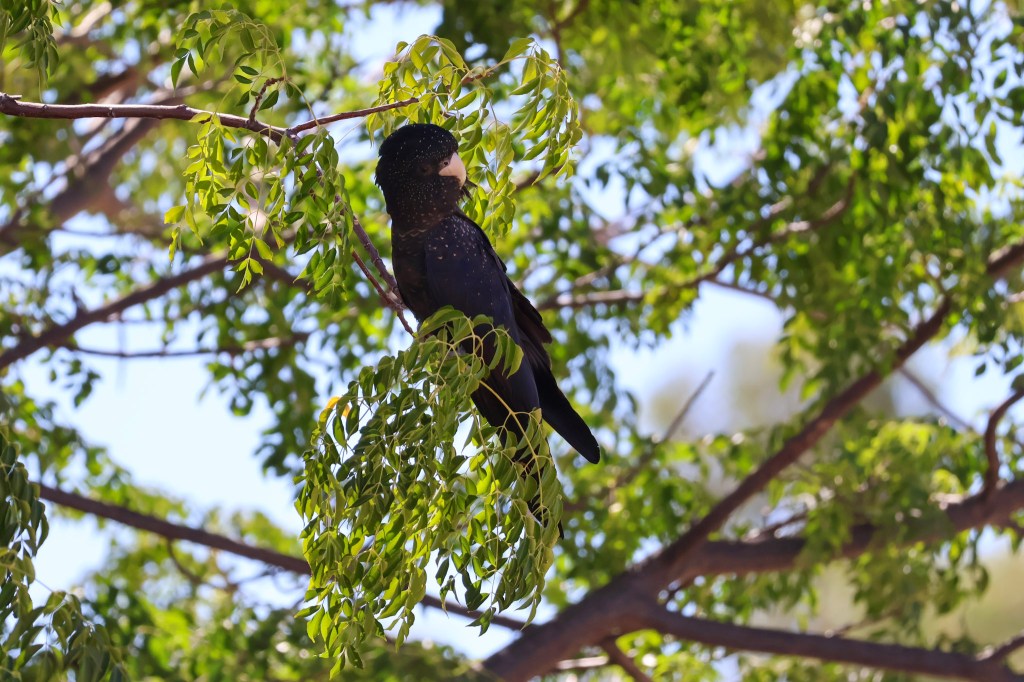
    As we were about to leave, a huge flock of Red-tailed Black Cockatoos flew over and landed in someone’s backyard, and luckily we were walking that way. We walked past them and I got a nice photo. This was a Lifer for me (lifers are a new bird that you have never seen before) and they were so majestic.

    Red-tailed Black Cockatoo, Calyptorhynchus Banksii.

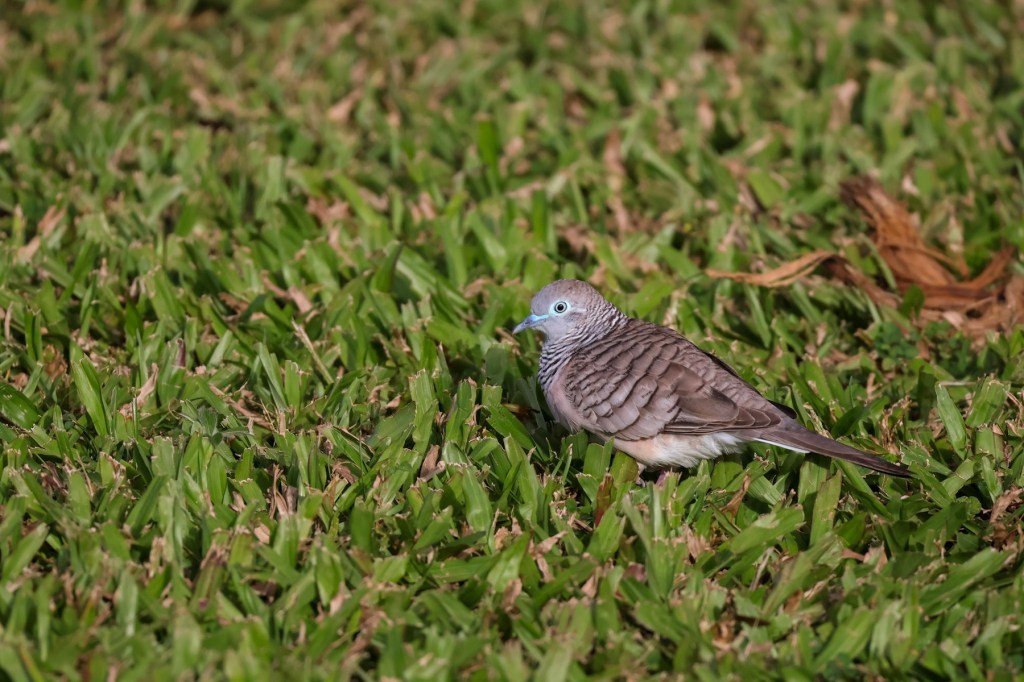
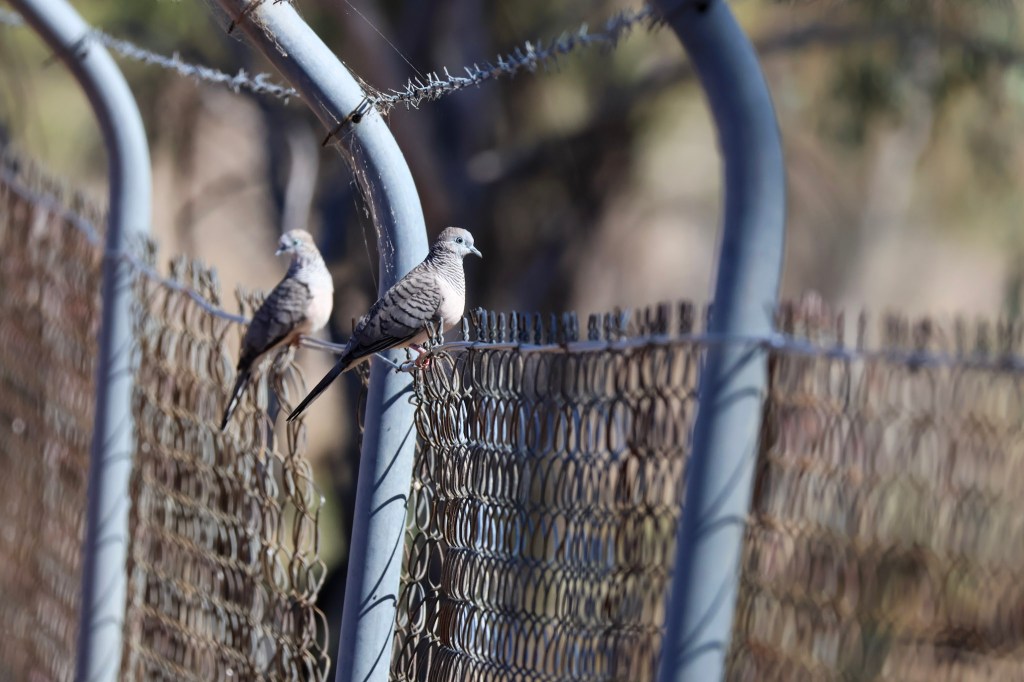
    I spotted a few Peaceful Doves on a fence and snapped a shot.

    Peaceful Dove, Geopelia Placida.

    We got lunch at a cafe which sold the best homemade lemonade I have ever drunk. I ate a ham and cheese toastie for lunch. As we got on the bus, I could still see the black cockatoos feeding and flying over. Bye Brewarrina!

    Continued in Part 3…

    Ebird Link to trip: https://ebird.org/tripreport/502433

  • This April, I went on my school camp. I was allowed to bring my camera, and I saw some cool birds.

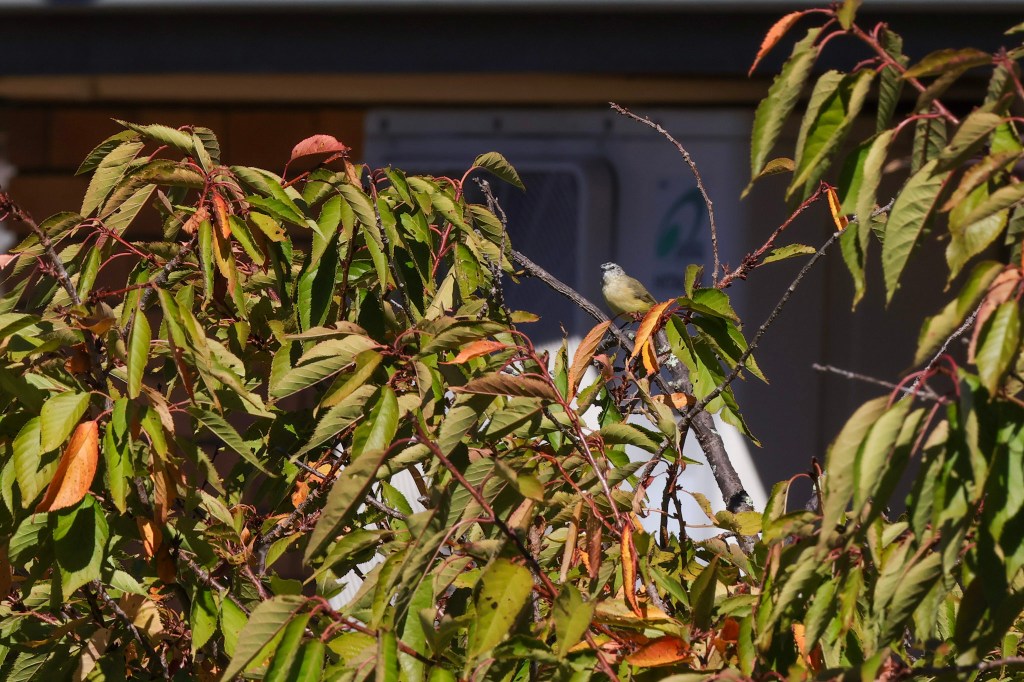
    We left at 7 am, and drove swiftly west. Our first stop was a little park in Tenterfield. It was autumn, and the deciduous tree’s leaves were falling off, creating a wonderland for my class. The first birds I spotted were a small group of Yellow-rumped Thornbills, who were feeding in someone’s backyard.

    Yellow-rumped Thornbill, Acanthiza Chrysorrhoa.

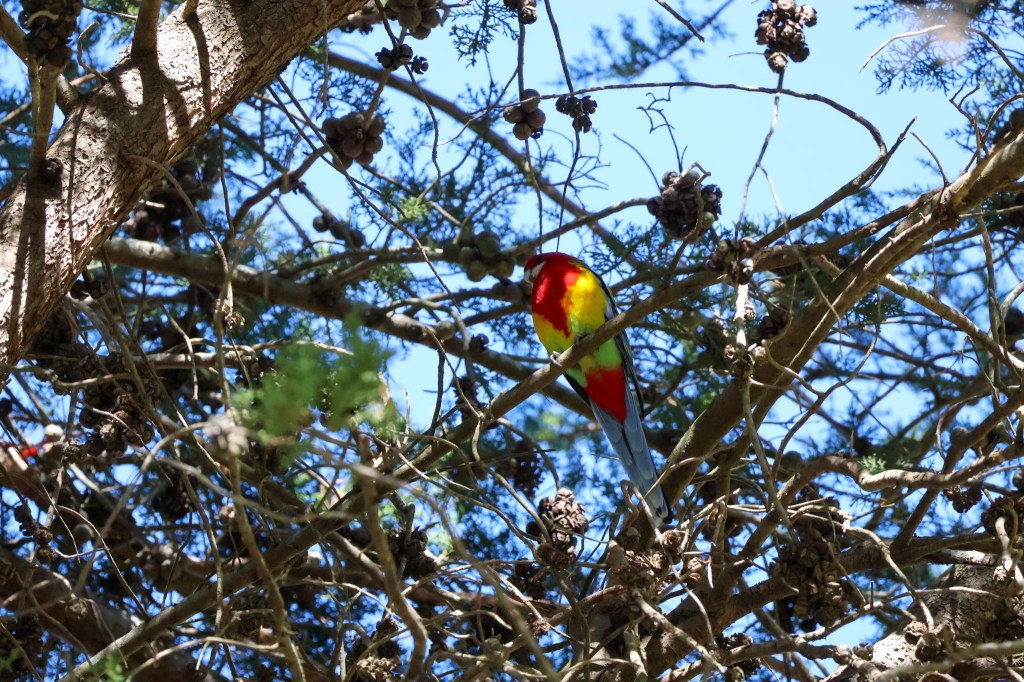
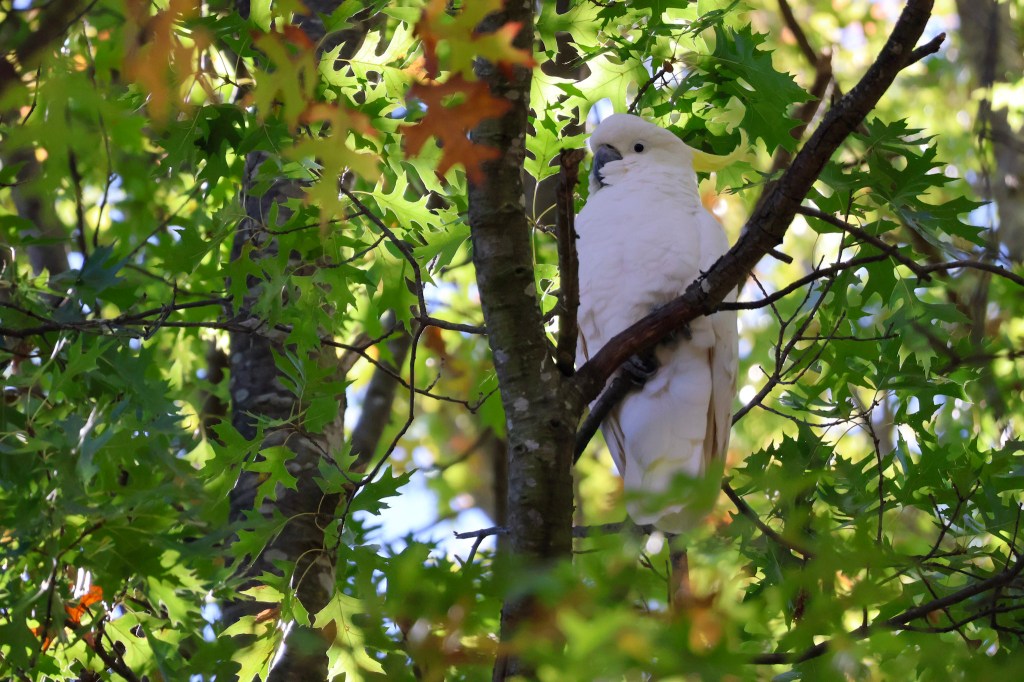
    A Beautiful Pair of Eastern Rosellas flew into a nearby tree, and a Sulphur-crested Cockatoo sat quietly, watching the group of rowdy school children throwing leaves all over each other.

    Eastern Rosella, Platycercus Eximius.
    Sulphur-crested Cockatoo, Cacatua Galerita.

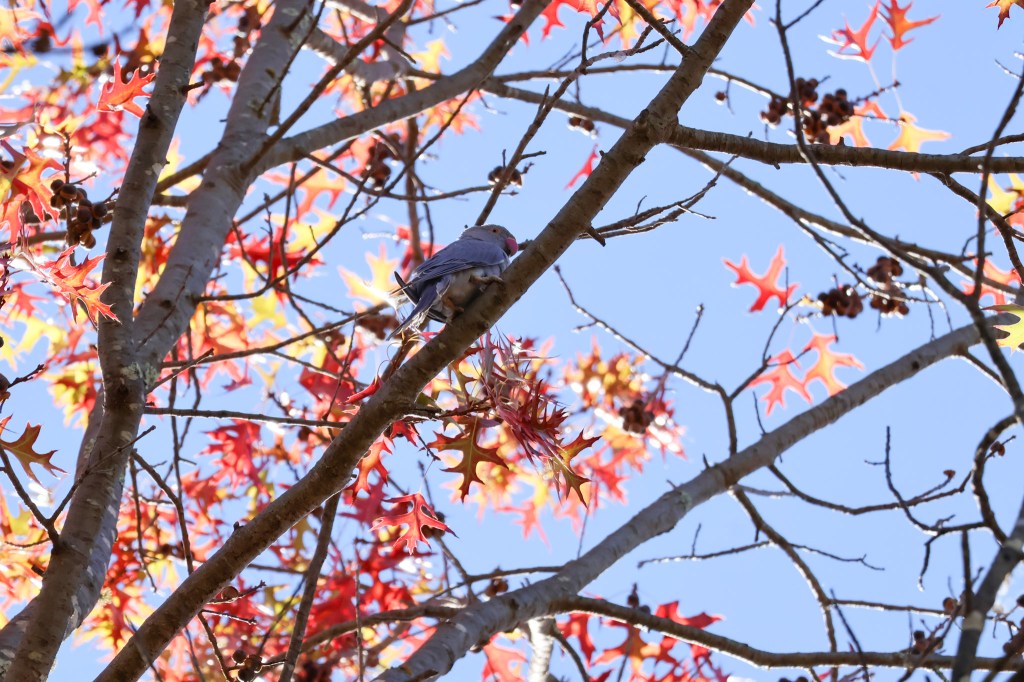
    Suddenly, another parrot flew into the same tree and I didn’t know what it was. As I looked at my photos, I realised that it was a domesticated Rose-ringed Parakeet, a species from Asia that is commonly used in the pet trade.

    Rose-Ringed Parakeet, Psittacula Krameri.

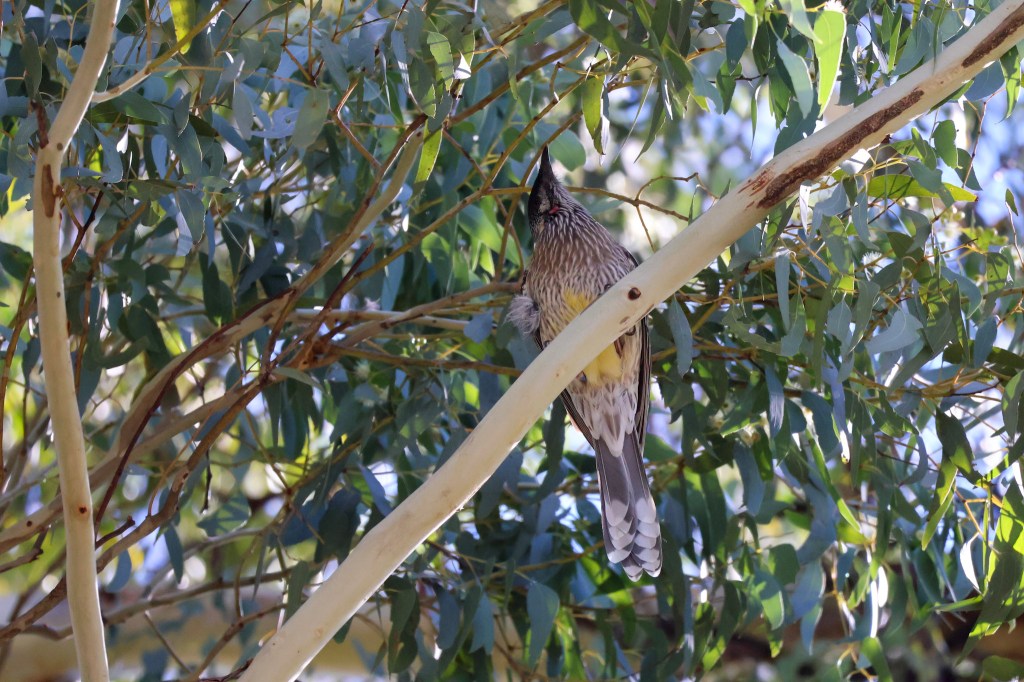
    We got back in the bus and drove to Inverell, where we had lunch. It was a nice town, with some nice birding. A Red Wattlebird sat in a eucalypt tree as we got out of the bus. Coming from further north, I don’t see Red Wattlebirds often, and it was nice to see one close up.

    Red Wattlebird, Anthochaera Carunculata.

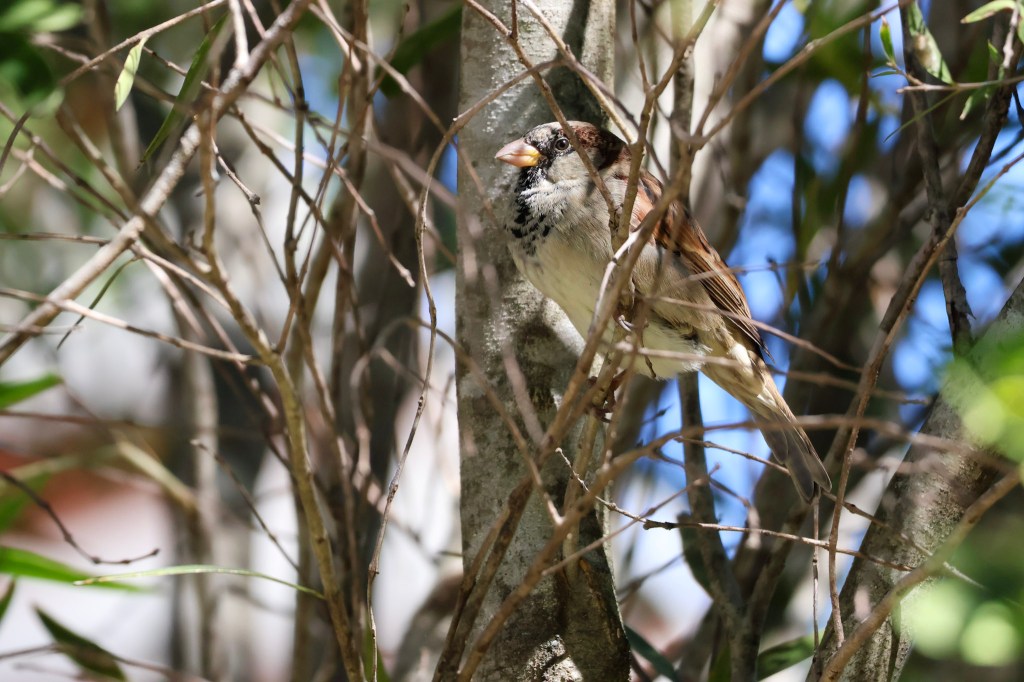
    A small group of House Sparrows were feeding near the cafe, and were very cute.

    House Sparrow, Passer Domesticus.

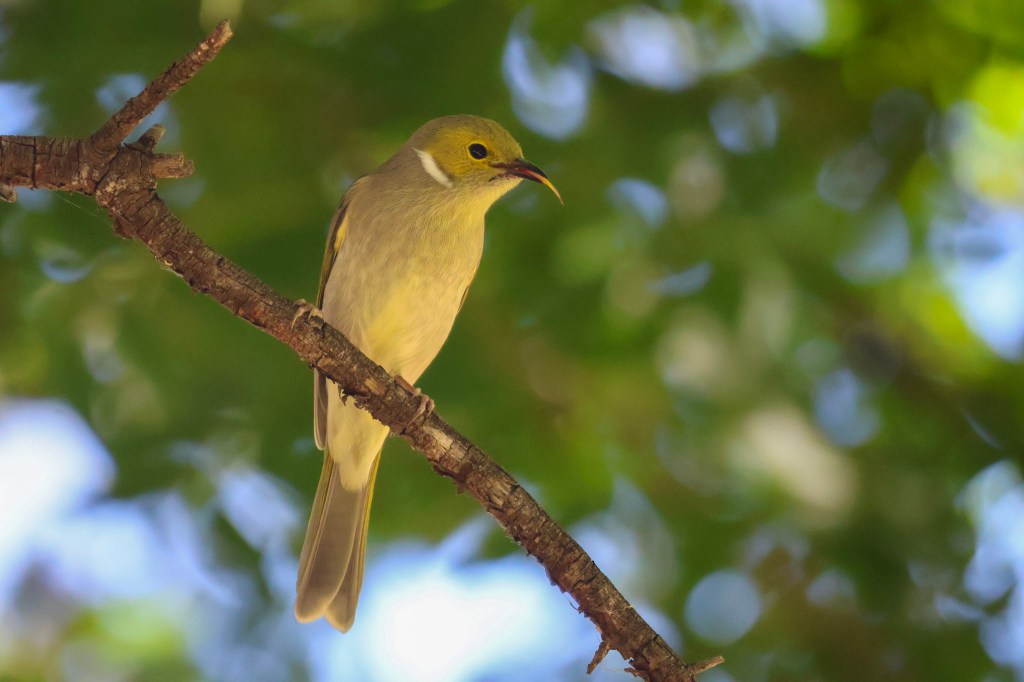
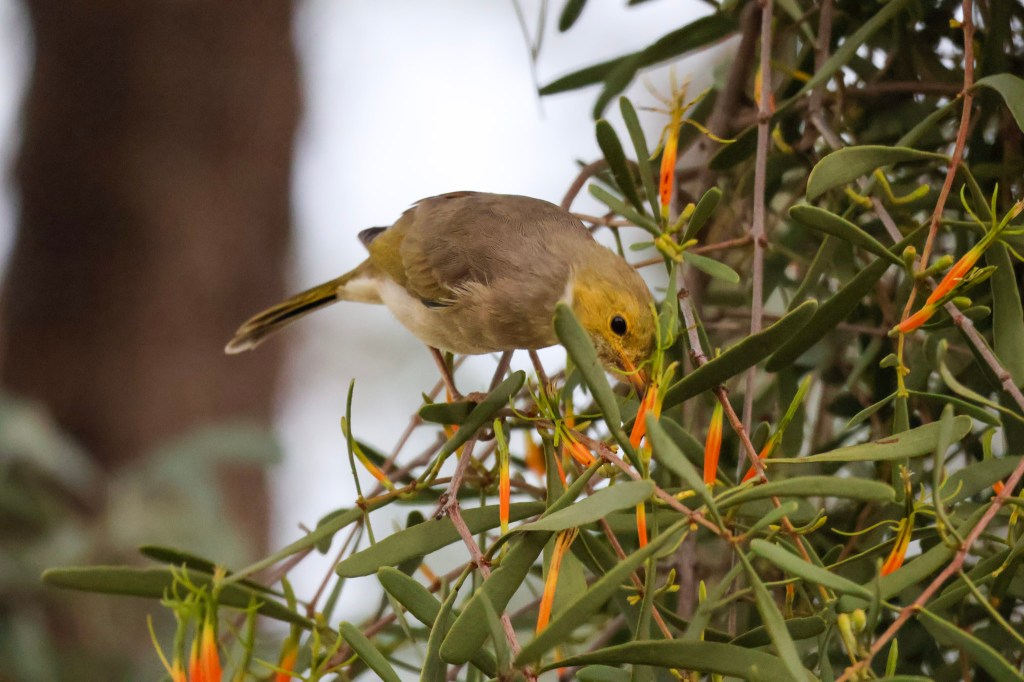
    A small White plumed Honeyeater caught my eye as we sat down for lunch, and was very photogenic.

    White-plumed Honeyeater, Ptilotula Penicillata.

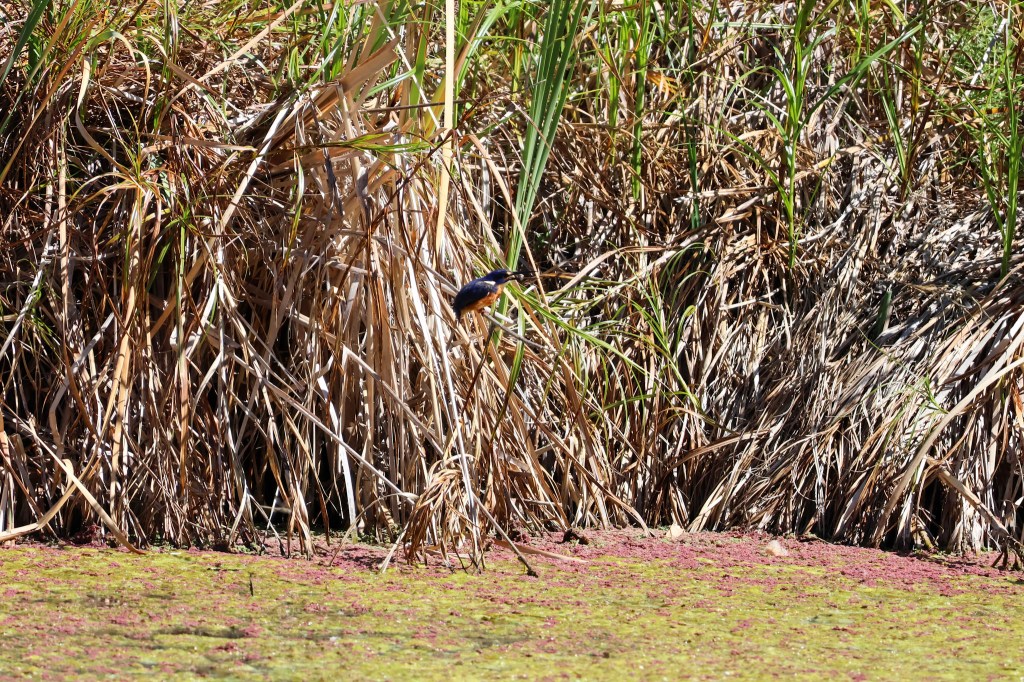
    A pair of Azure Kingfishers sat on the reeds, and, as I watched, one of them dove into the water, and came out with a fish.

    Azure Kingfisher, Ceyx Azureus.

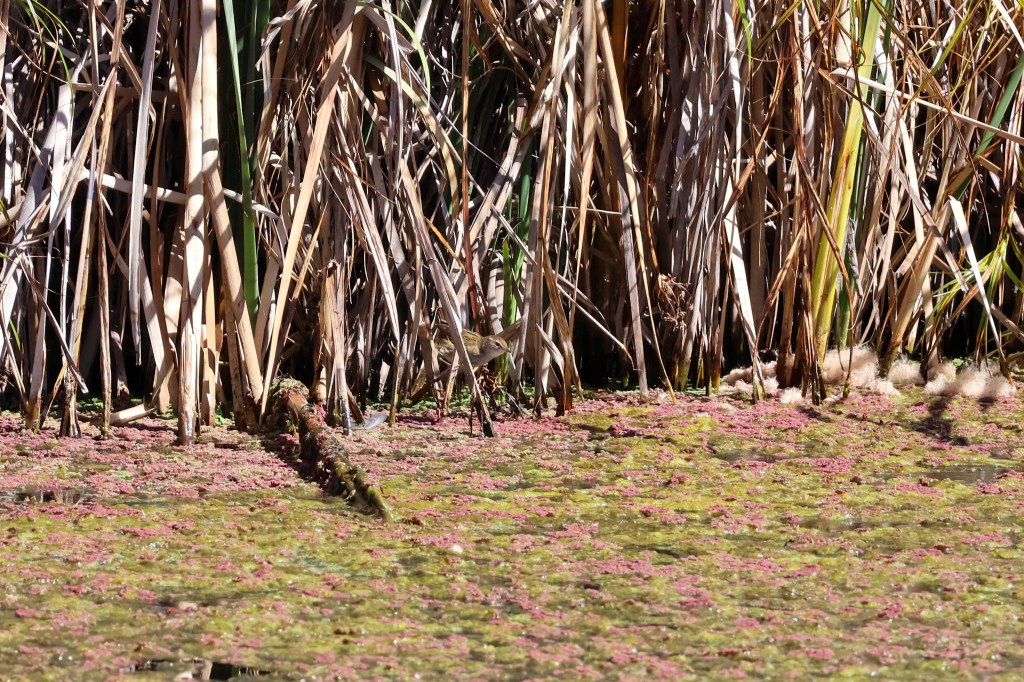
    A Little Grassbird poked its head out of the reed.

    Little Grassbird, Poodytes Gramineus.

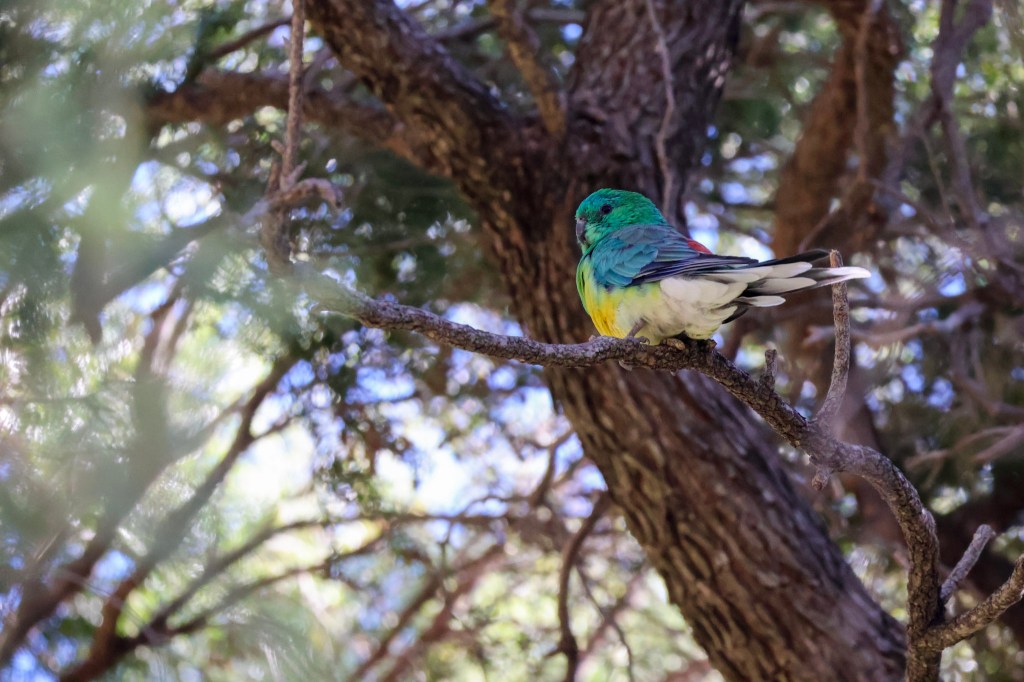
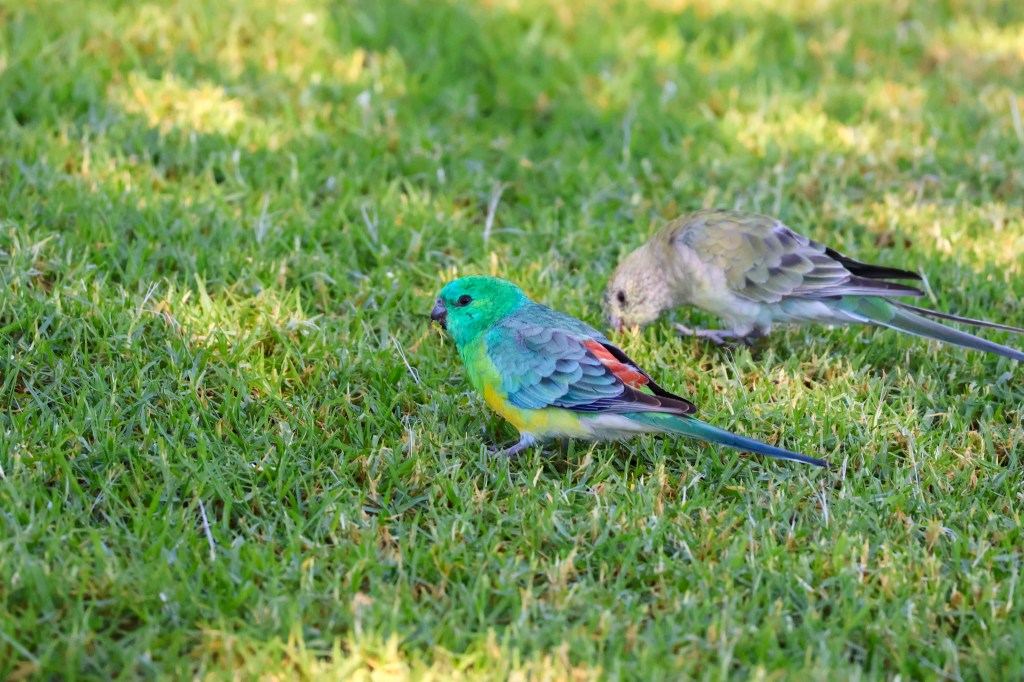
    We kept driving on, and our last stop of the day was at Moree. We got out and I walked around. I spotted a small group of Red-rumped Parrots in a tree. This bird was one of the species that I had really wanted to see on the trip, and it was really cool to spot this bird.

    Red-rumped Parrot, Psephotus Haematonotus.

    We drove past an Australian Bustard on our way in to Lightning Ridge. This bird is rare around the town. We set up our mattresses in the basketball hall at Lightning Ridge Central School, and had some nachos for dinner. Then we went to bed.

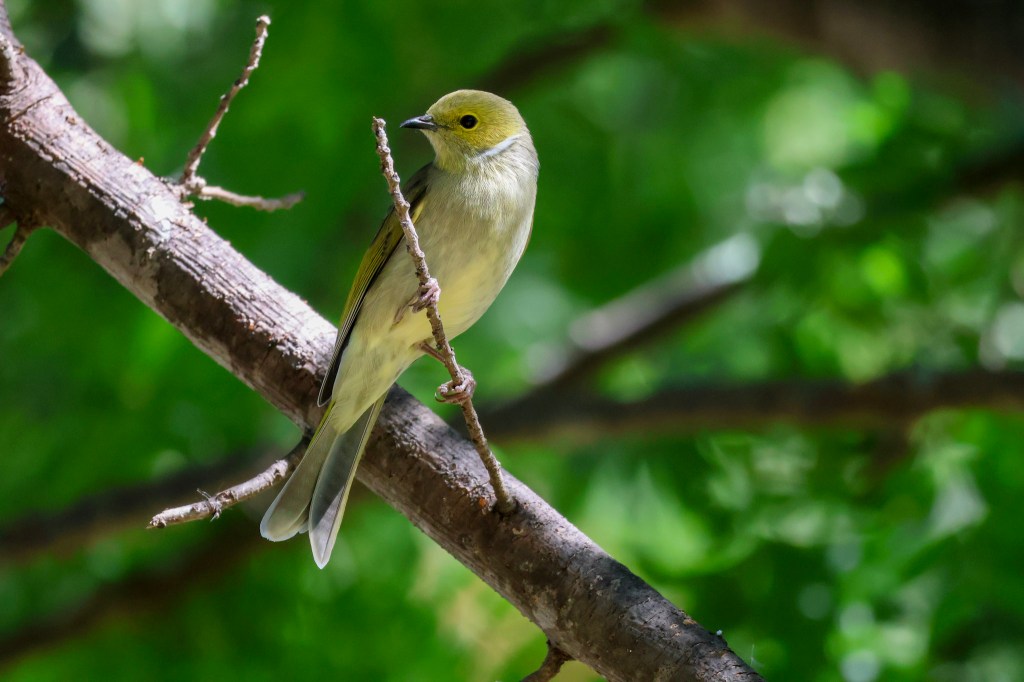
    I awoke early and quickly grabbed my camera. I walked around the back of the school, where a foresty, grassy area sat. White-plumed Honeyeaters flitted between trees, and a group of Laughing Kookaburras cackled near the pond.

    White-plumed Honeyeater, Ptilotula Penicillata.
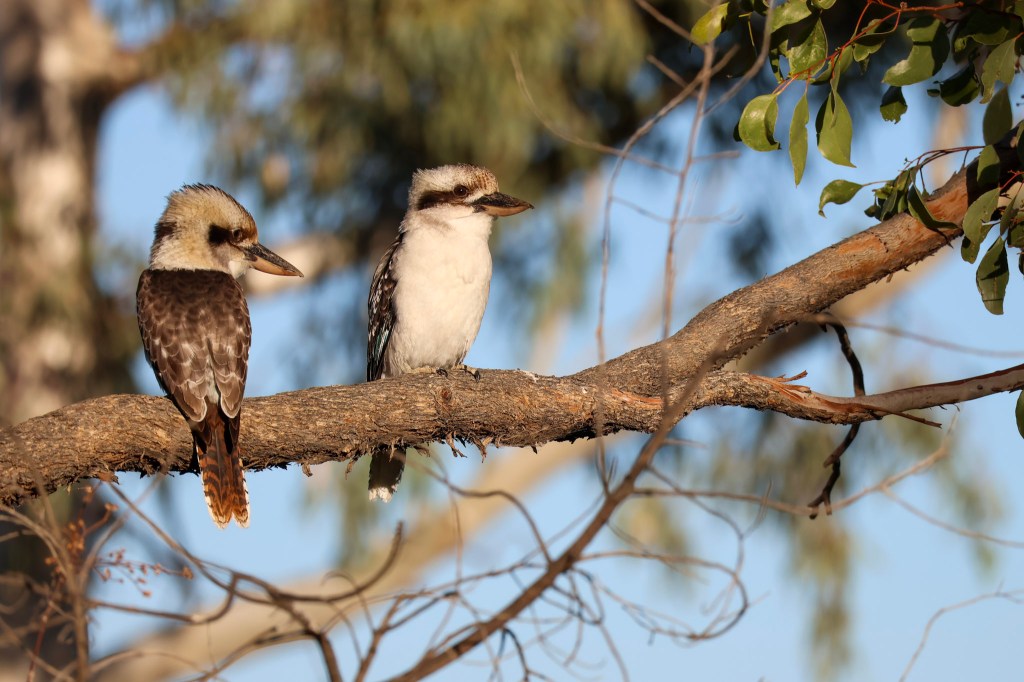
    Laughing Kookaburra, Dacelo Novaeguineae.

    A Pair of Australian Ringnecks sat in a tree, looking large amongst the groups of Red-rumped Parrots.

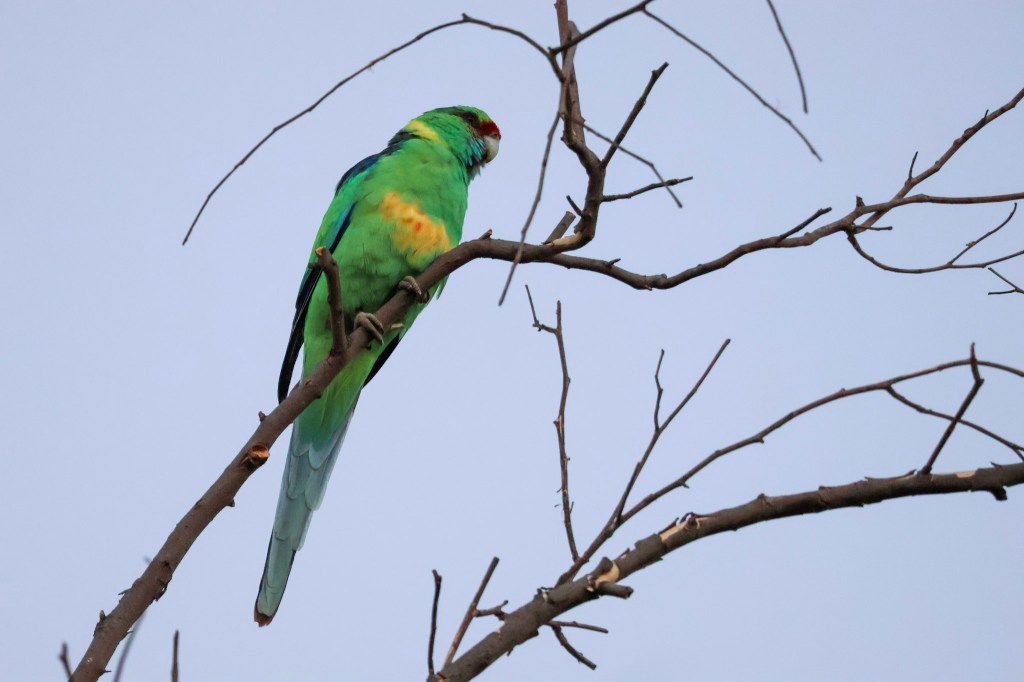
    Australian Ringneck, Barnardius Zonarius.

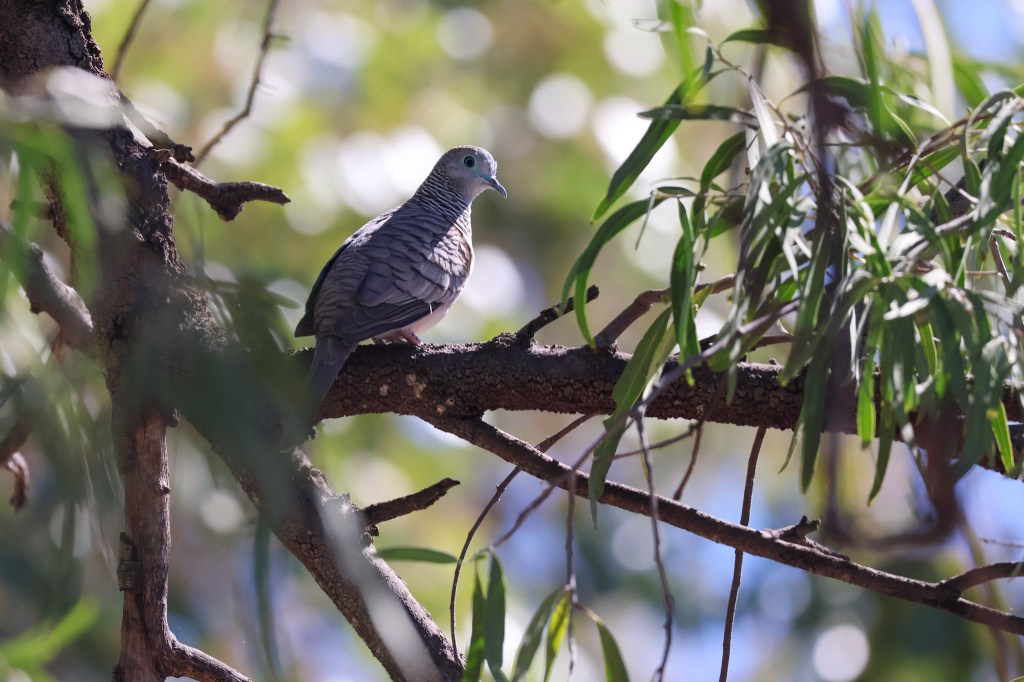
    A pair of Peaceful Doves sat on a branch. These doves are so tiny compared with the Bar-shouldered Doves we have in Federal.

    Peaceful Dove, Geopelia Placida.

    As we walked through the town, I improved my Red-rumped Parrot photo.

    Red-rumped Parrot, Psephotus Haematonotus.

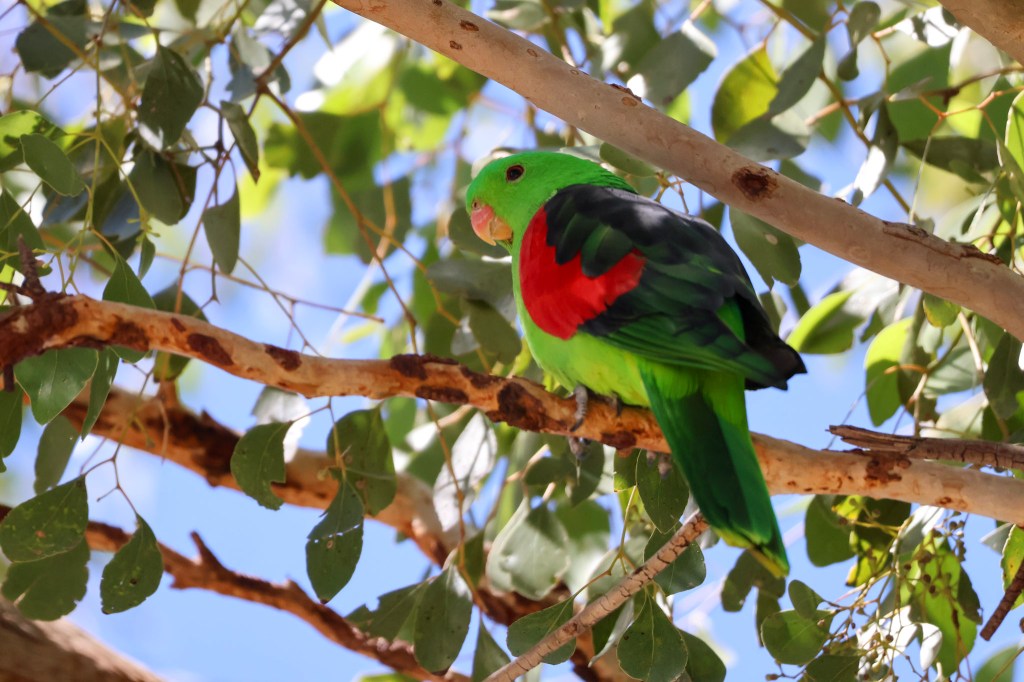
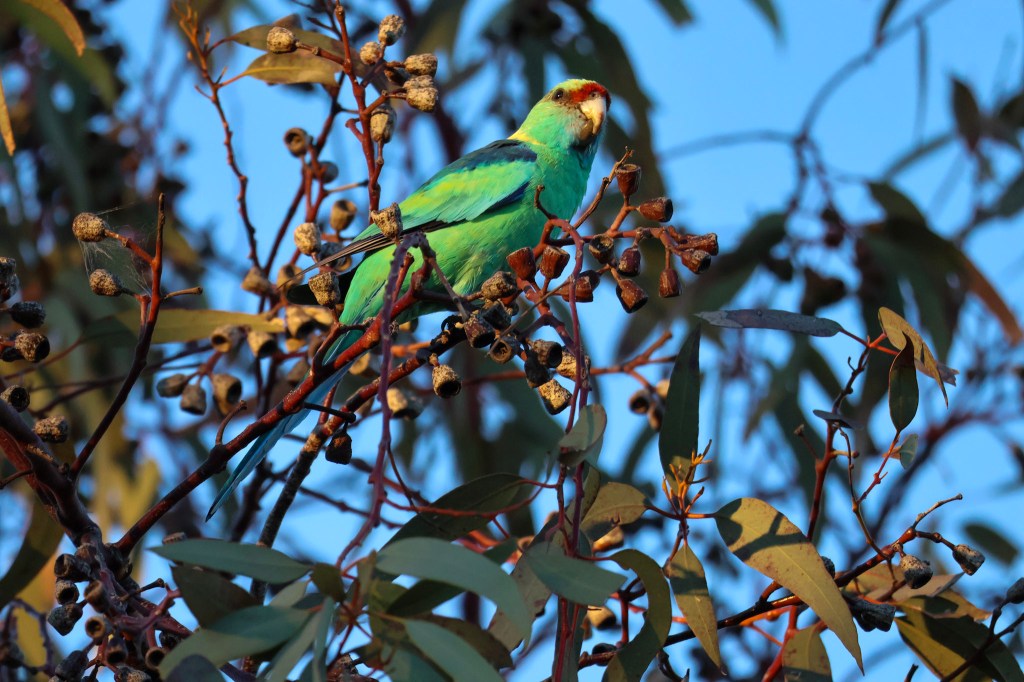
    We went to play mini golf, and on the way back through the town, I spotted an amazing male Red-winged Parrot.

    Red-winged Parrot, Aprosmictus Erythropterus.

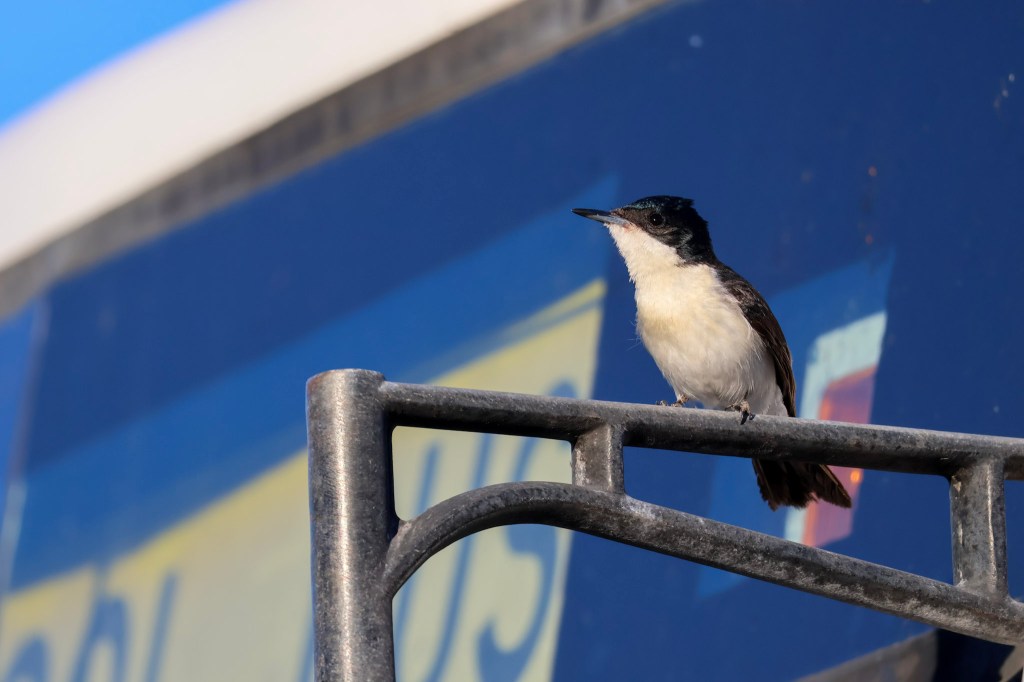
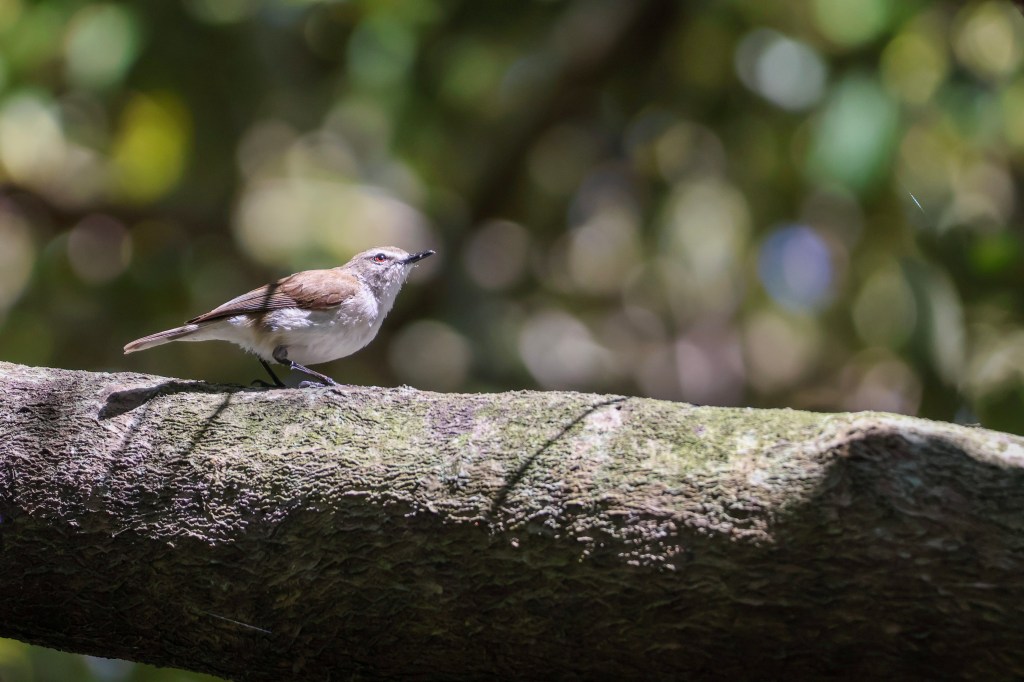
    In the afternoon, we went to the Artisan Bore Baths, a hot bath with underground hot water inside. The baths don’t smell very nice, but they feel really nice. As an added bonus, a Restless Flycatcher played around the bus, its funny “Mank” call traveling across the area.

    Restless Flycatcher, Myiagra Inquieta.

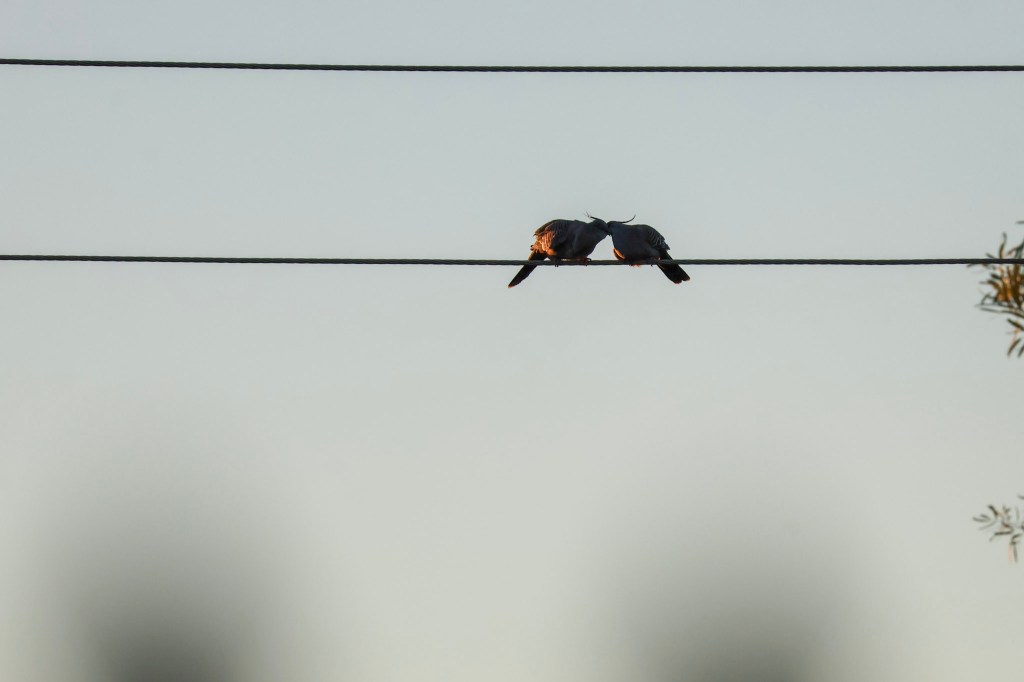
    A pair of Crested Pigeons sat on the wire. These birds were very common around the baths.

    Crested Pigeon, Ocyphaps Lophotes.

    We went back and slept peacefully in our sleeping bags.

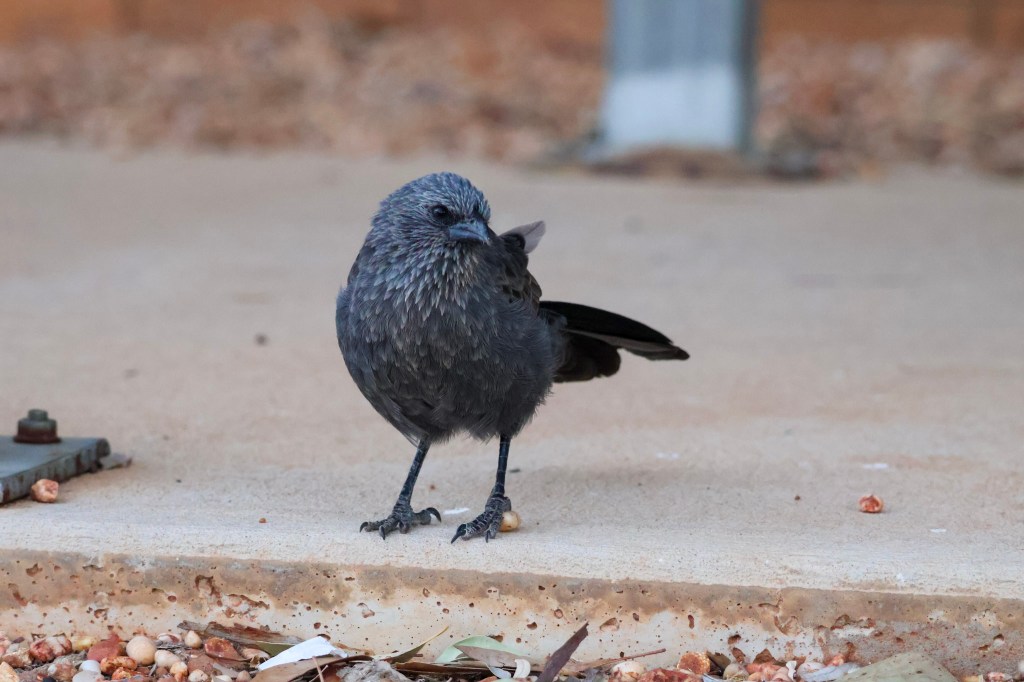
    In the morning, I did the exact same thing and went around to the back of the school. A family of Apostlebirds were yapping around, pulling each other’s tails, and rolling around in the red dust. This is my favourite bird at the moment, and if you sit for a moment, they will be sure to do something silly.

    Apostlebird, Struthidea Cinerea.

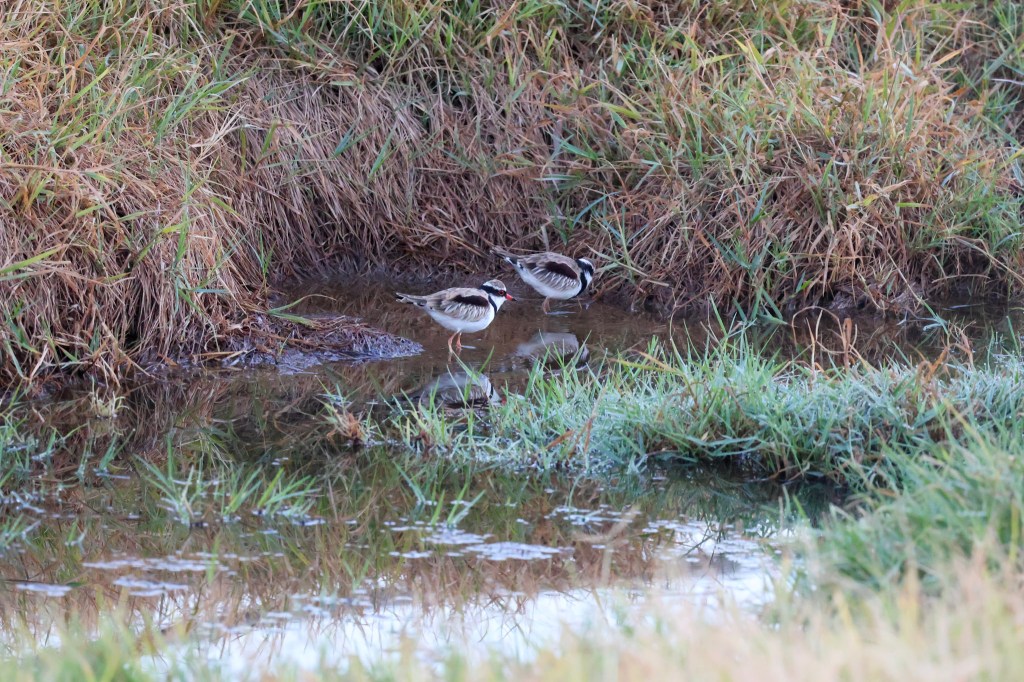
    A pair of Black-fronted Dotterels flew back and forth through a small marsh, making small calls.

    Black-fronted Dotterel, Thinornis Melanops.

    As I walked back to the kitchen, a beautiful Australian Ringneck flew down and started drinking in a puddle in front of everyone. He flew back up to a tree, and I got a nice shot in the light.

    Australian Ringneck, Barnardius Zonarius.

    We put all the bags in the bus, and were on our way. Goodbye Lightning Ridge!

    Continued in part 2…

    Ebird link: https://ebird.org/tripreport/502433?view=checklists

  • We went for a trip to Manly for three days to see our family. On the second day, we went up to the top of the headland to visit Sydney Harbour NP and to specifically target New Holland Honeyeater and Red-whiskered Bulbul, and we went home with more than we expected!

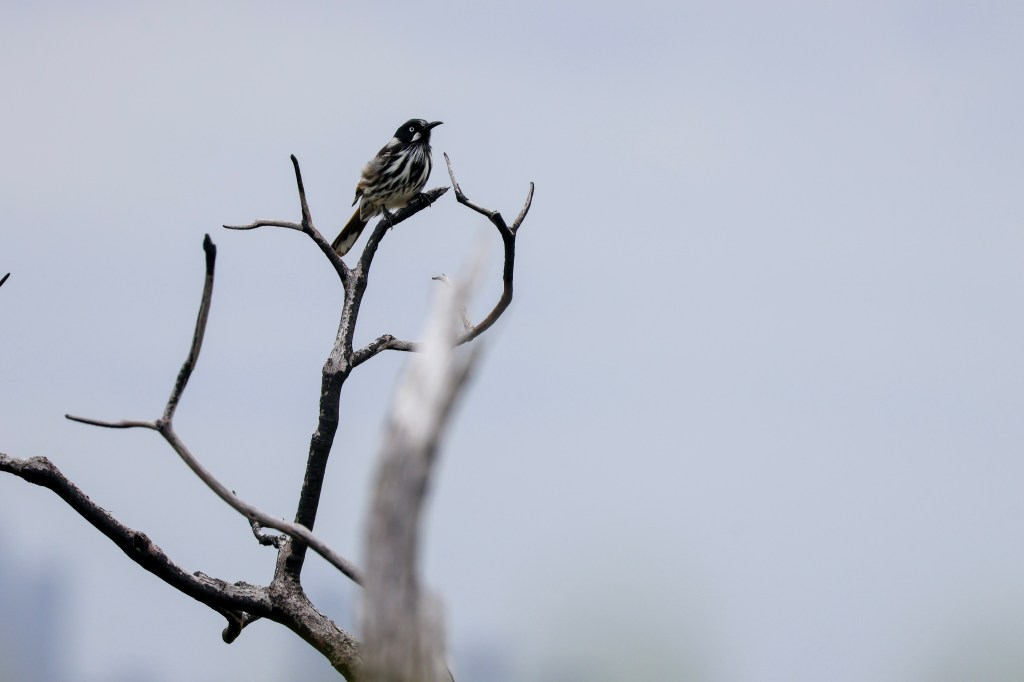
    We started walking the Fairfax Walk around the headland and almost instantly, we spotted our first target. A New Holland Honeyeater sat at the top of a dead branch and proved photogenic.

    New Holland Honeyeater, Phylidonyris Novaehollandiae.

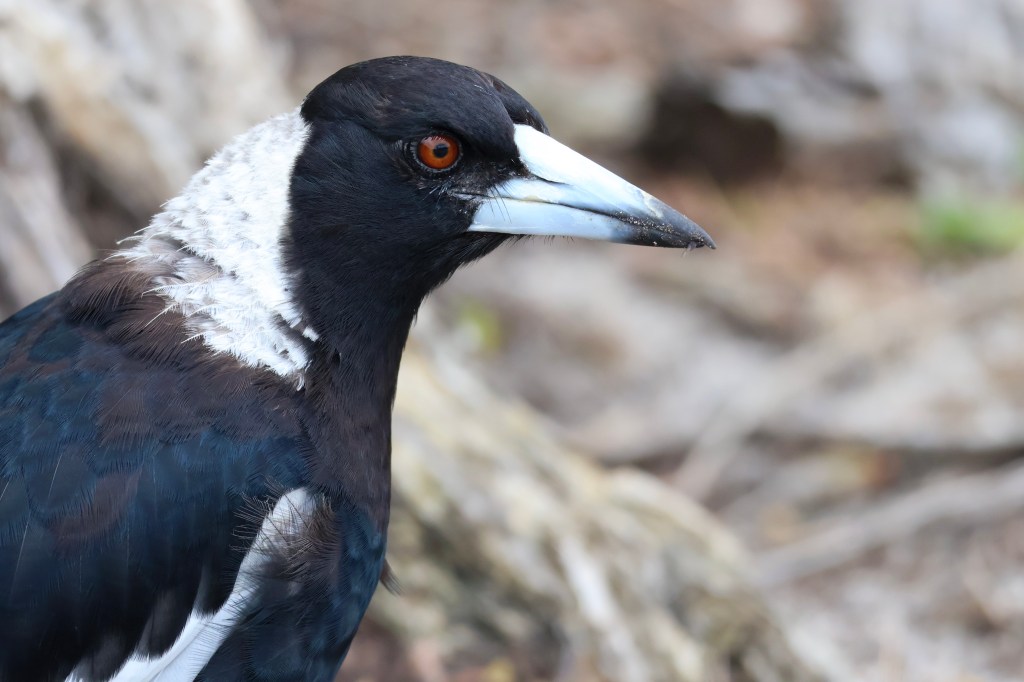
    A Peregrine Falcon flew off a tower and an Australian Magpie fed on the ground.

    Australian Magpie, Gymnorhina Tibicen.

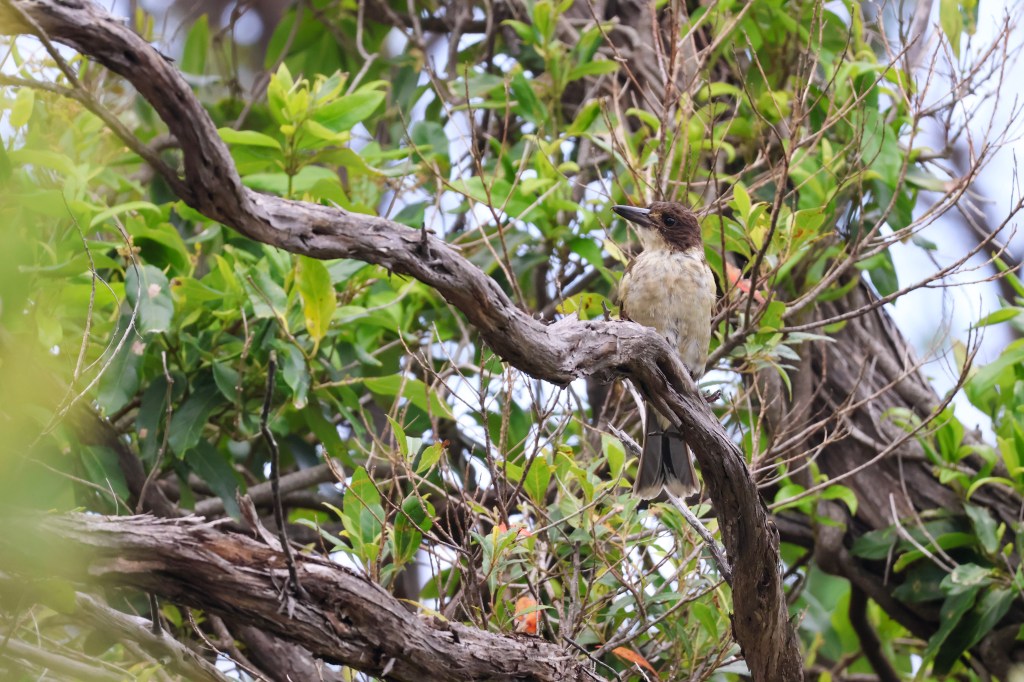
    A juvenile Grey Butcherbird called to its mum for food.

    Grey Butcherbird, Cracticus Torquatus.

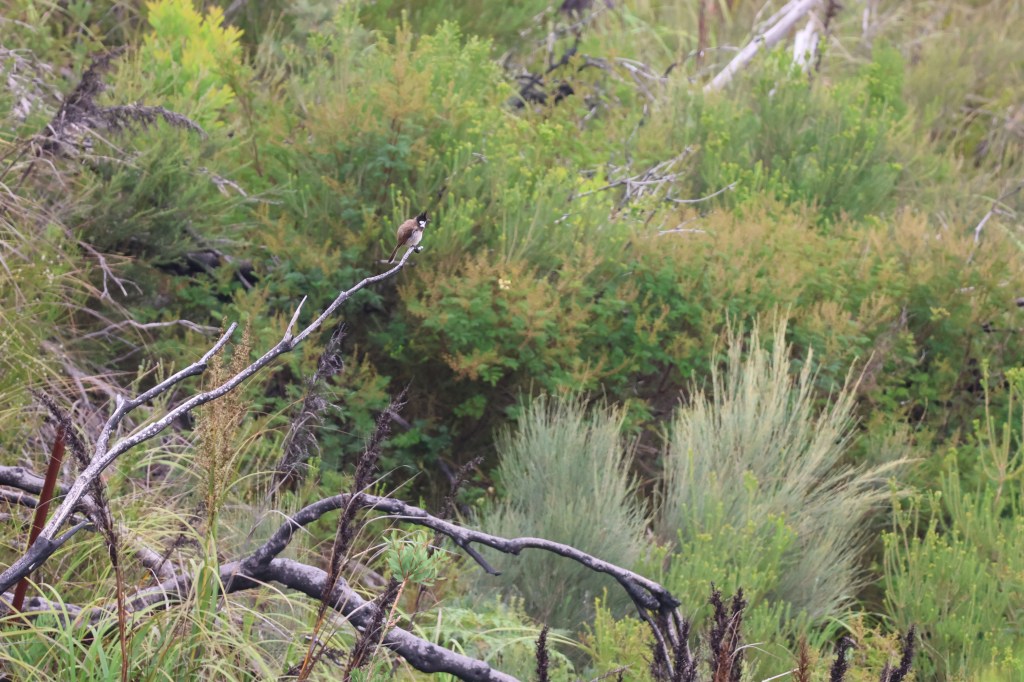
    A flash of black caught my eye. A Red-whiskered Bulbul flew onto a perch far away, and although my image wasn’t great, it still shows what it is.

    Red-whiskered Bulbul, Pycnonotus Jocosus.

    This is a really nice spot to come for a picnic as there is a large grassy area that overlooks the ocean. Also, the birding is great!

  • Okay, so this is a quick one. I went to South Golden Beach to do some beach worming. As always, I brought my camera, and I got some unexpected results.

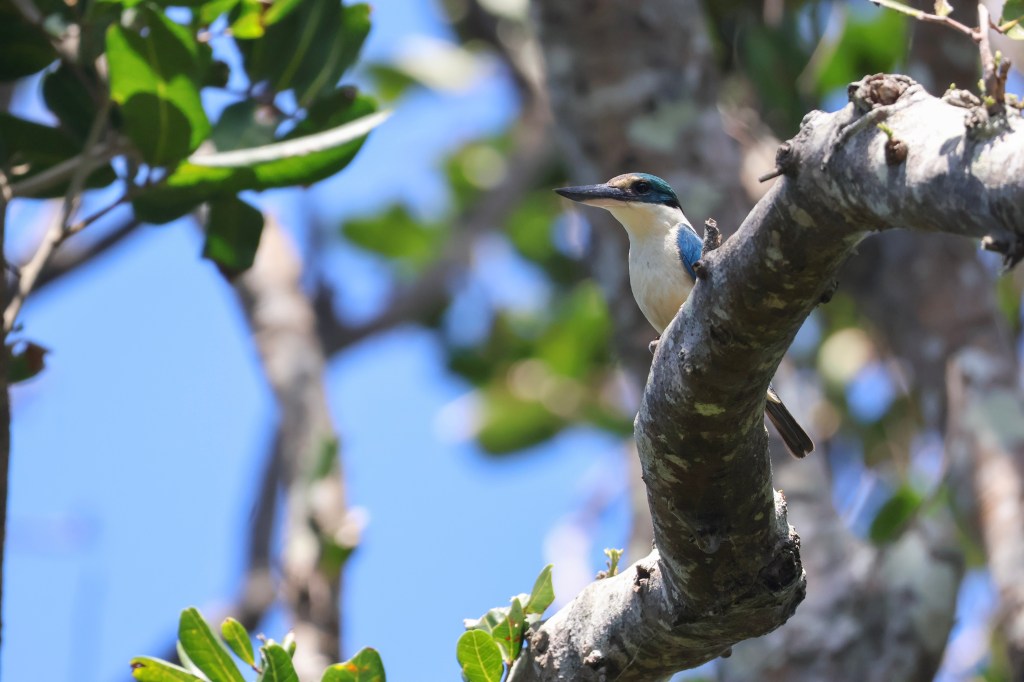
    We were walking back to the car with no luck when a pair of Sacred Kingfishers flew over my head and started calling.

    Sacred Kingfisher, Todiramphus Sanctus.

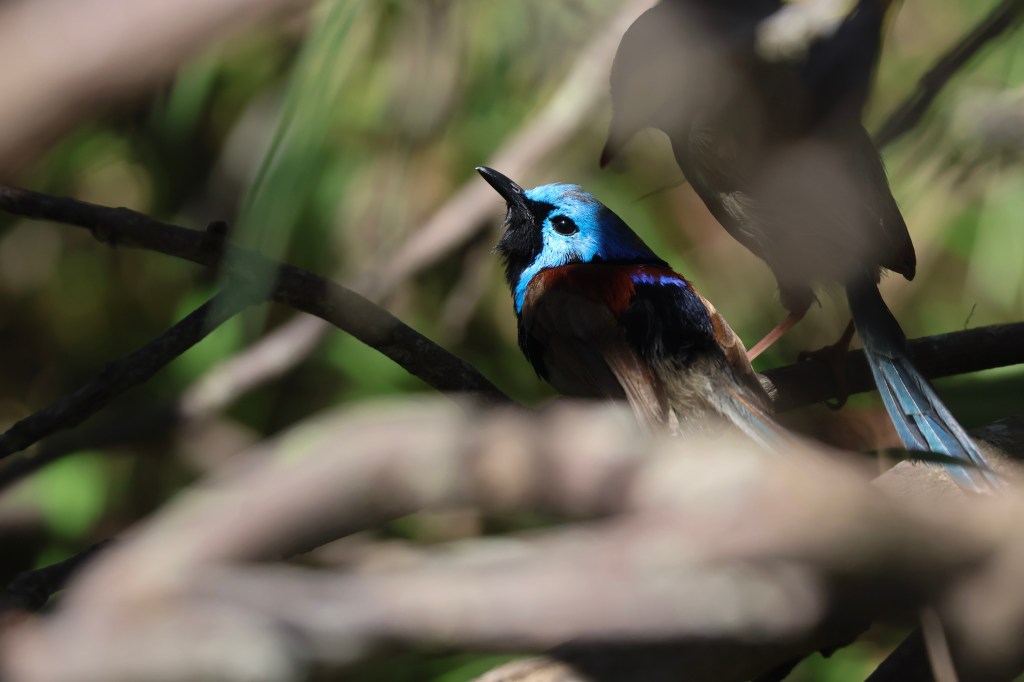
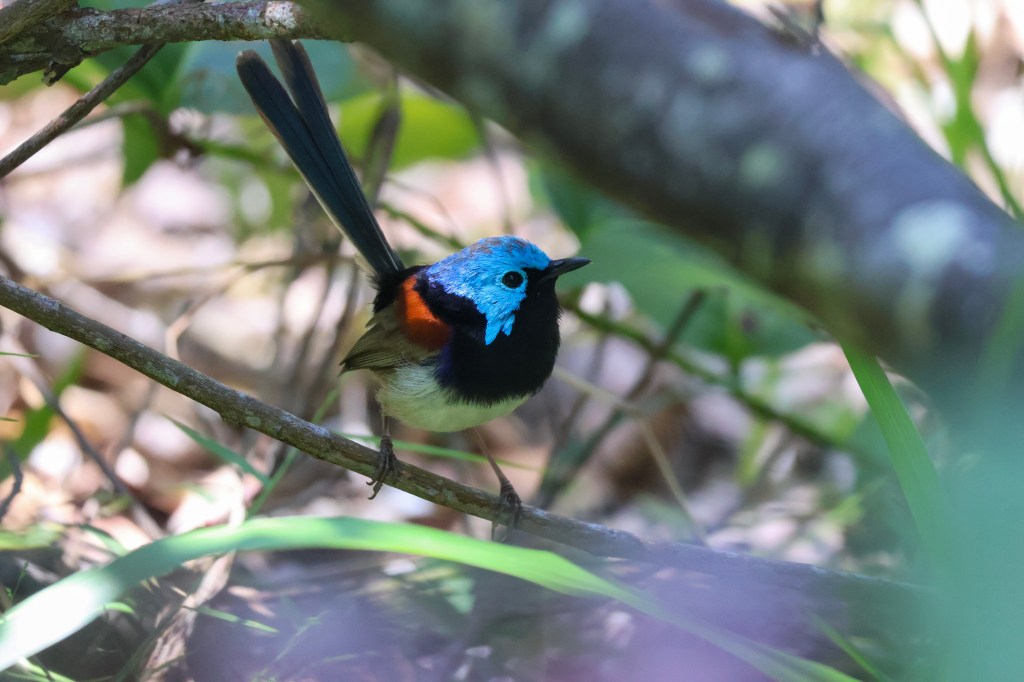
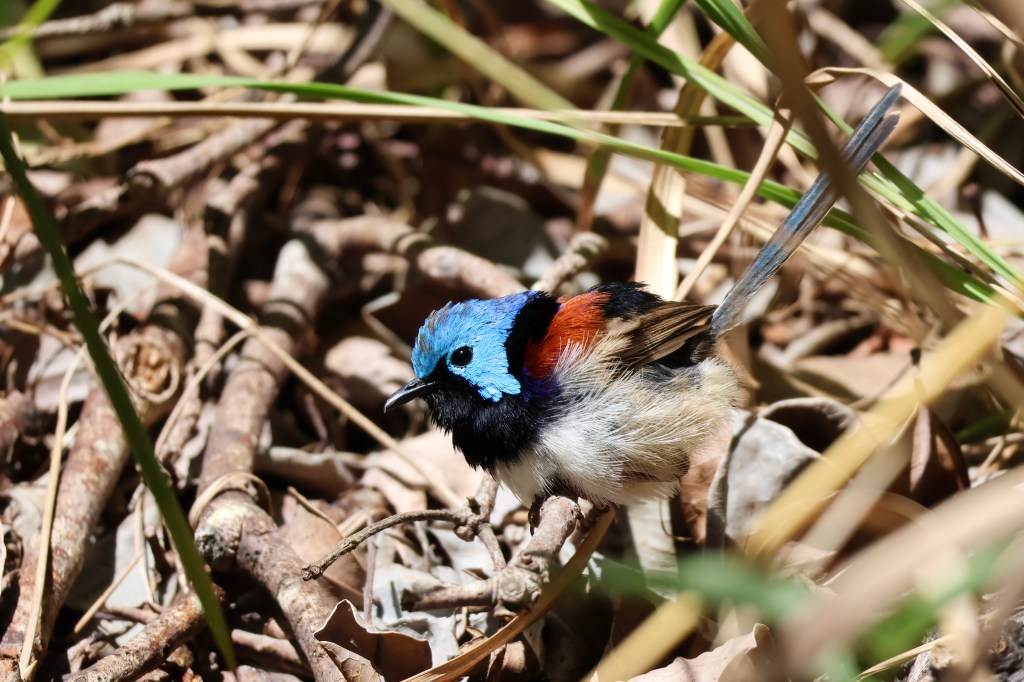
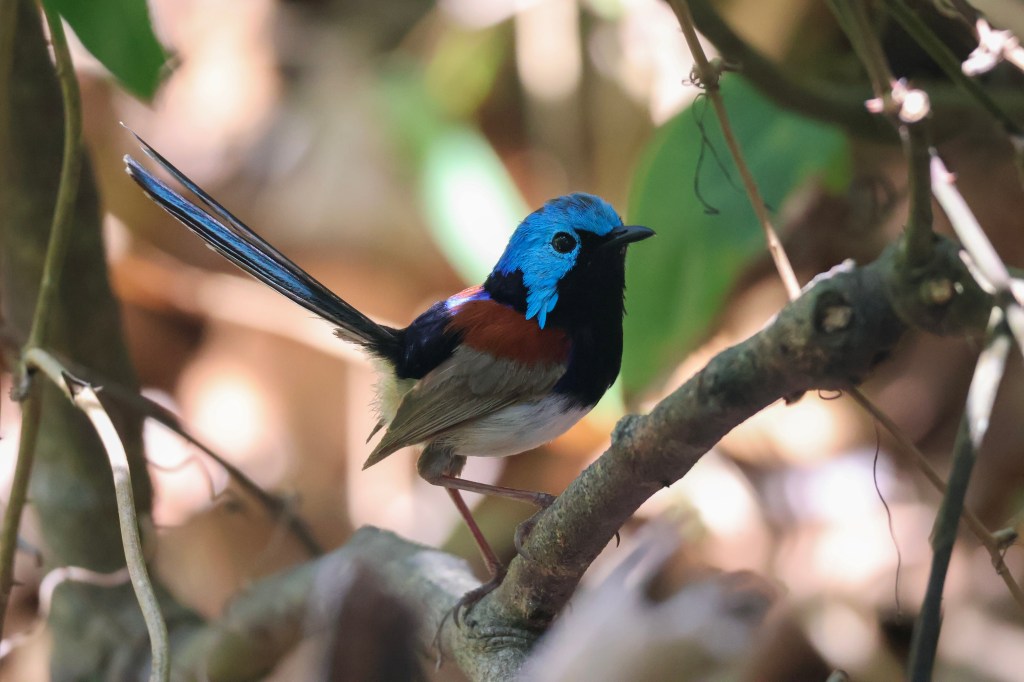
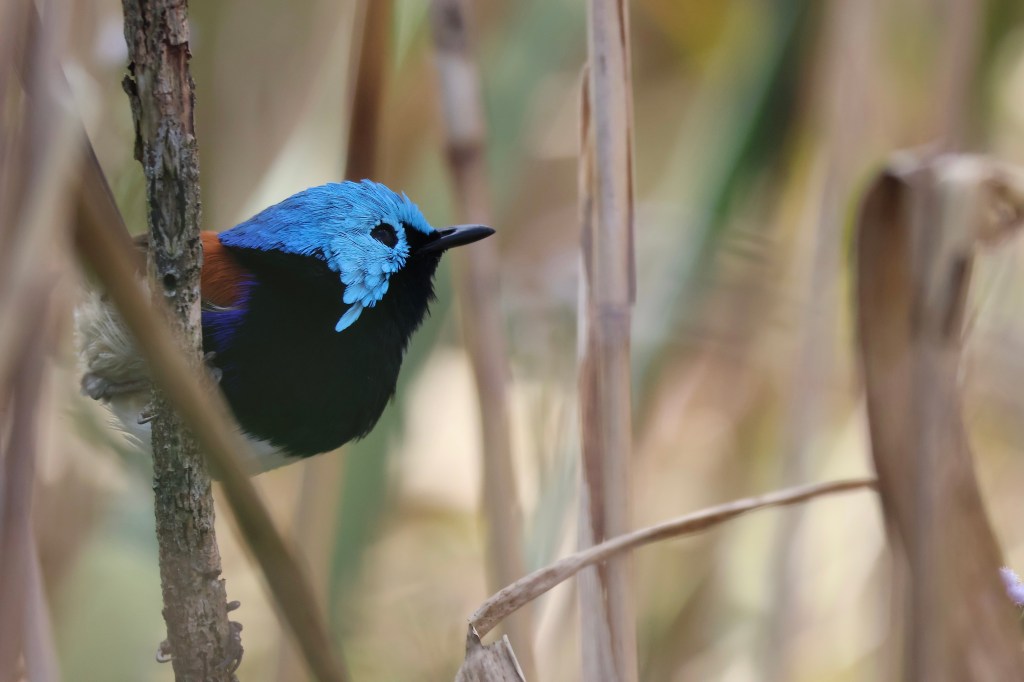
    At the same time, a group of Variegated Fairywrens flitted in the bushes, among them 3 males. These beautiful wrens have a more vibrant blue than the Superb Fairywrens, and some rufous on their backs. I never dreamed I would get these photos.

    Variegated Fairywren, Malurus Lamberti.

    After we arrived at Ocean Shores, we decided to do a bit of fishing and so I let my sister use my camera and these were her results!

    Little Wattlebird, Anthochaera Chrysoptera.
    Royal Spoonbill, Platalea Regia.

    This is not a bad place to go birding and, if you’re lucky like me, you will get to see some beautiful wrens.

  • Me and my dad made a trip up to Brisbane in search of the elusive Black-backed Bittern, and although we didn’t see it, we saw some other special birds.

    We arrived at Sandy Camp Road Wetlands at around 5:30 am after leaving at 4:00am in the morning. We walked down the first track and almost immediately spotted the first waterbird.

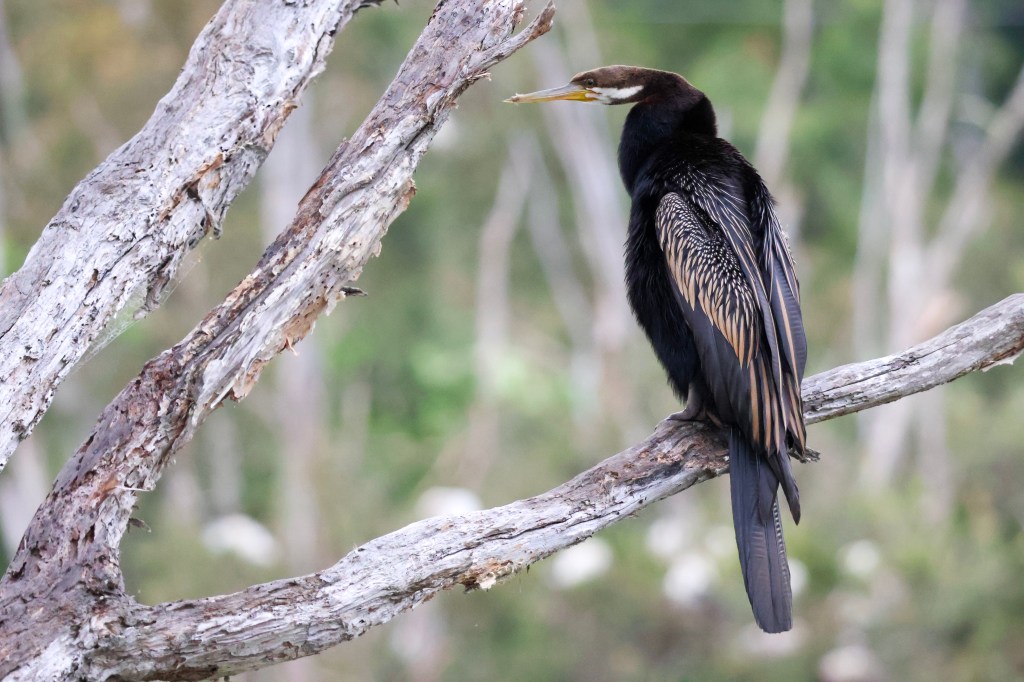
    A spectacular male Australasian Darter sat on a tree in the first pond and, although the light was not great, I managed to get an okay result.

    Australasian Darter, Anhinga Novaehollandiae.

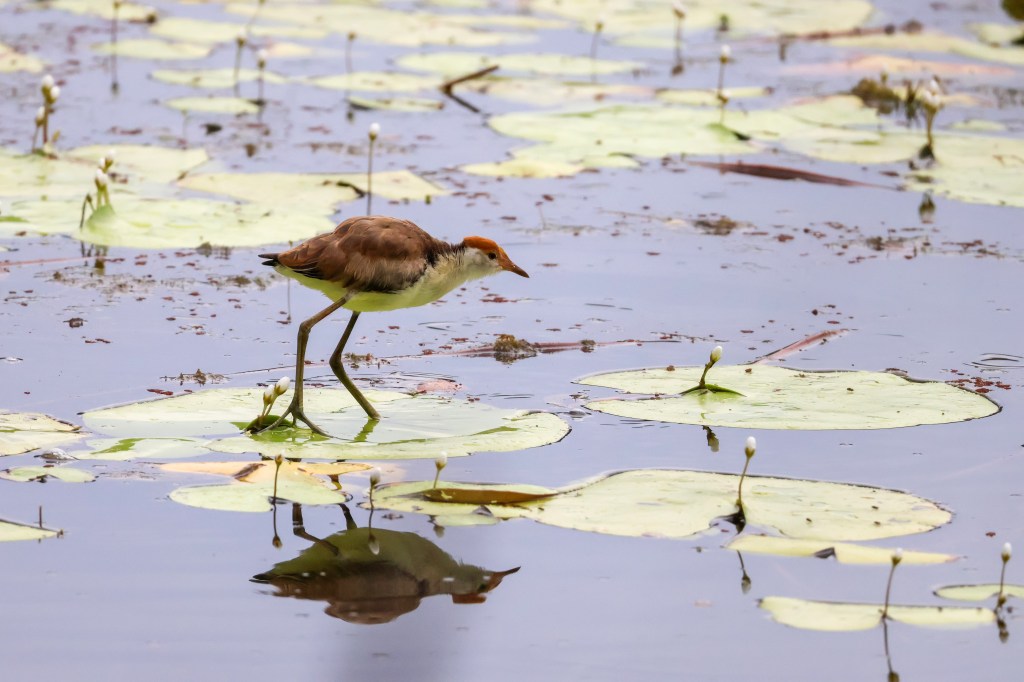
    A family of cute Comb-crested Jacanas ran across the lilypads. There was 1 adult and 4 chicks.

    Comb-crested Jacana (Juvenile), Irediparra Gallinacea.

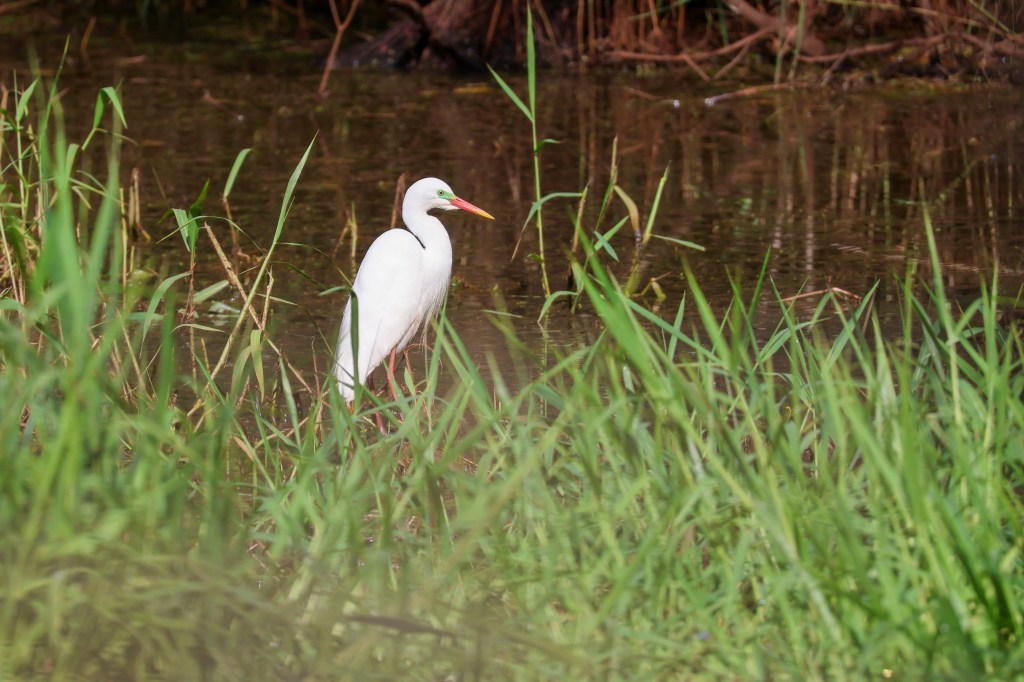
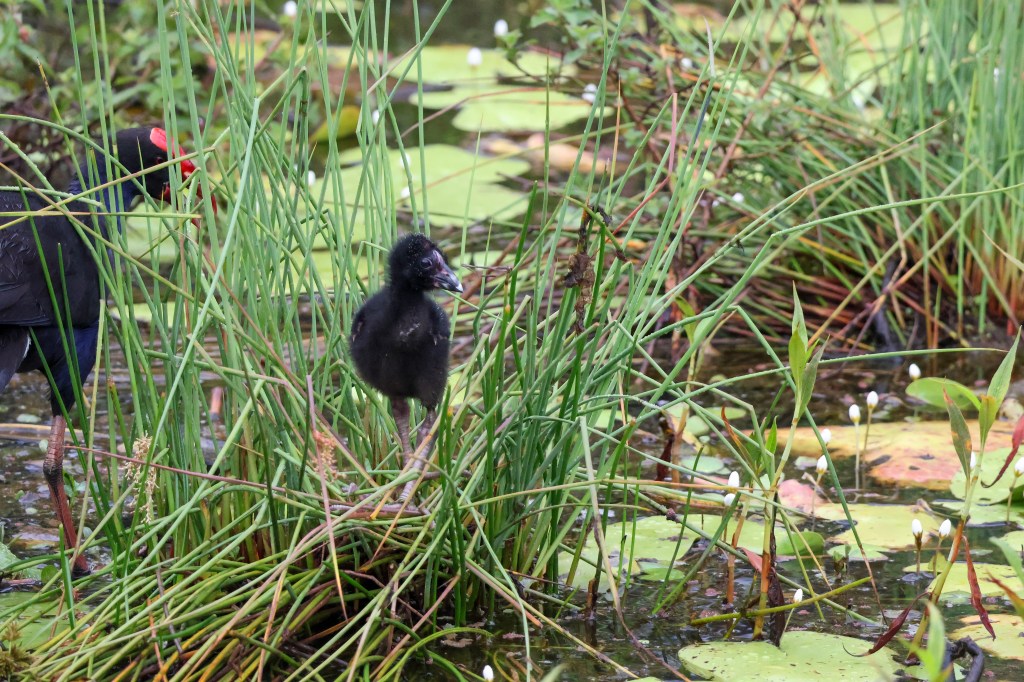
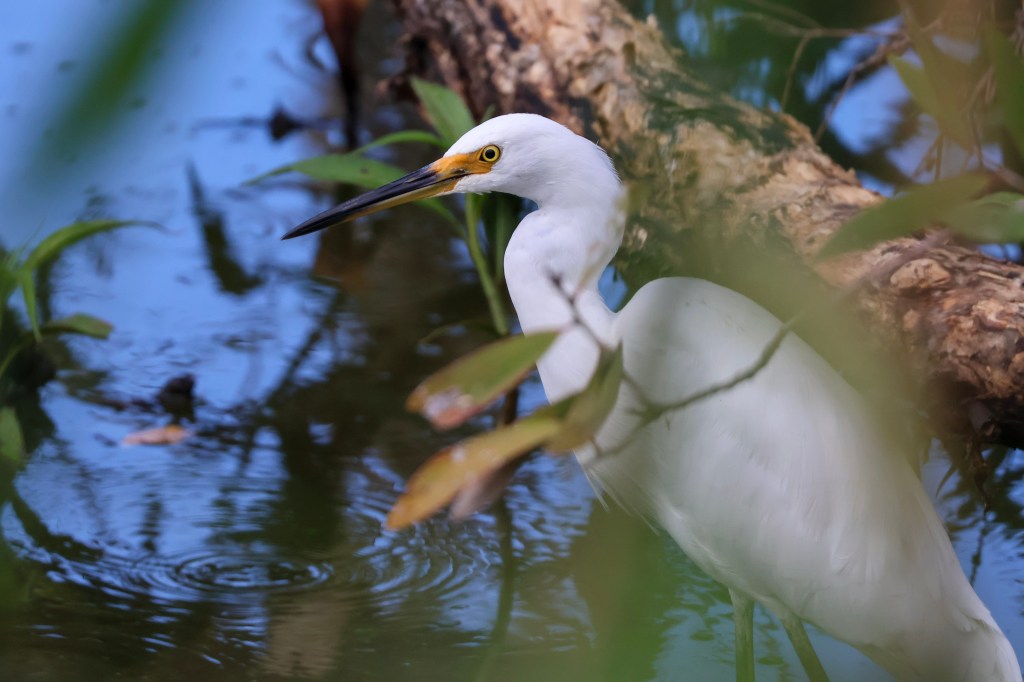
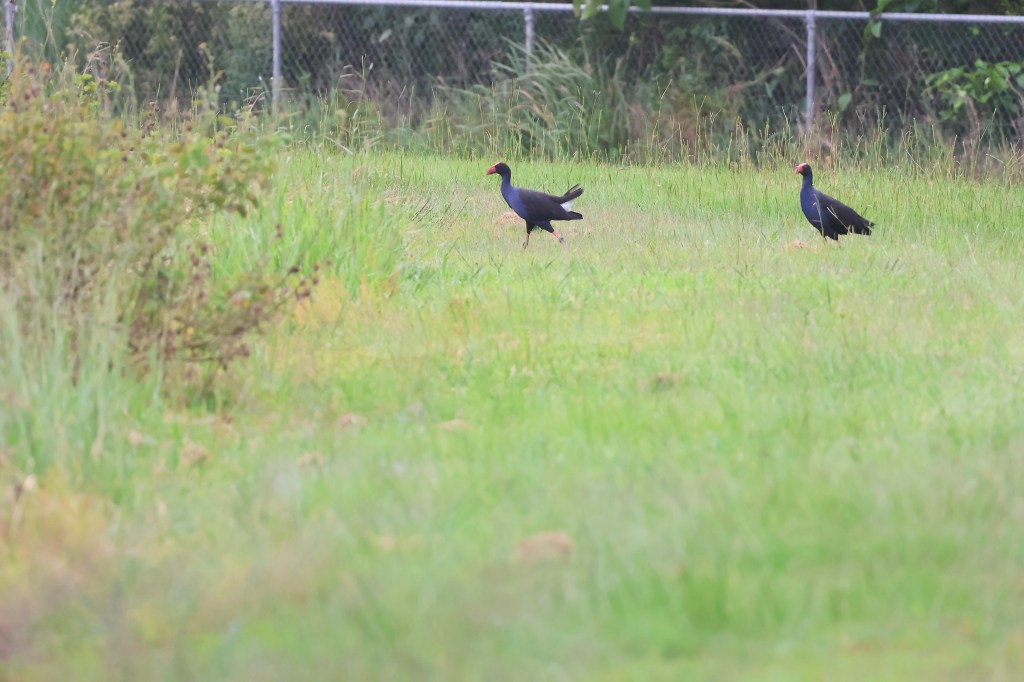
    Another 5 or so birders had gathered around a bunch of reeds, where the bittern had been sighted with its chicks. We were happy with the Plumed Egrets, baby Swamphens and Spotless Crakes.

    Plumed Egret, Ardea Plumifera.
    Australasian Swamphen (Juvenile), Porphyrio Melanotus.

    After around half an hour with no luck on the bittern, we wandered off to explore the other trails.

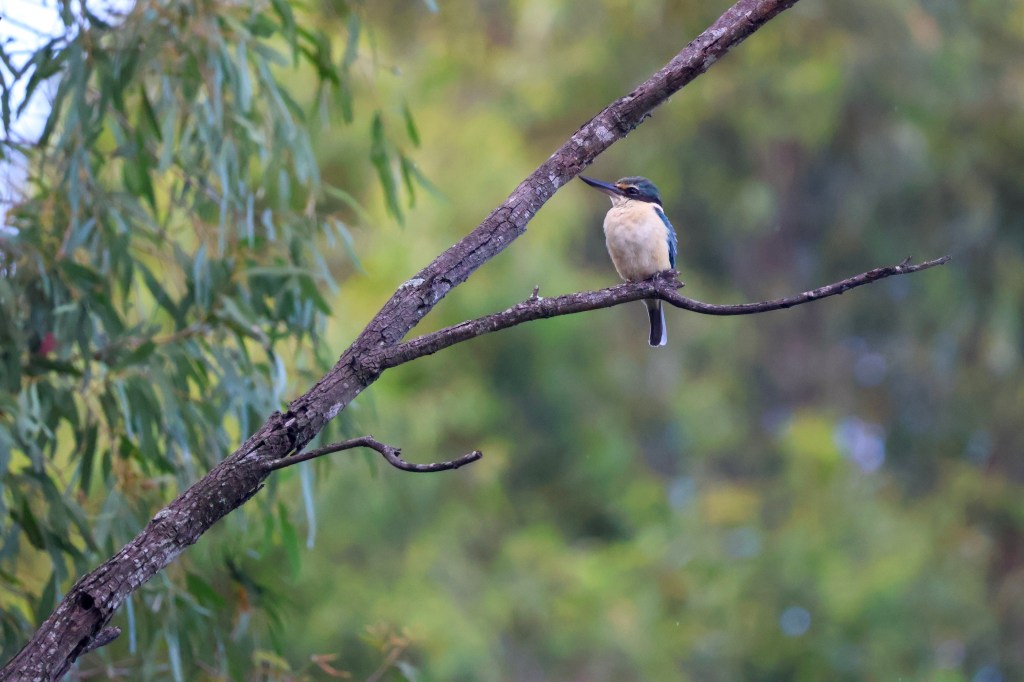
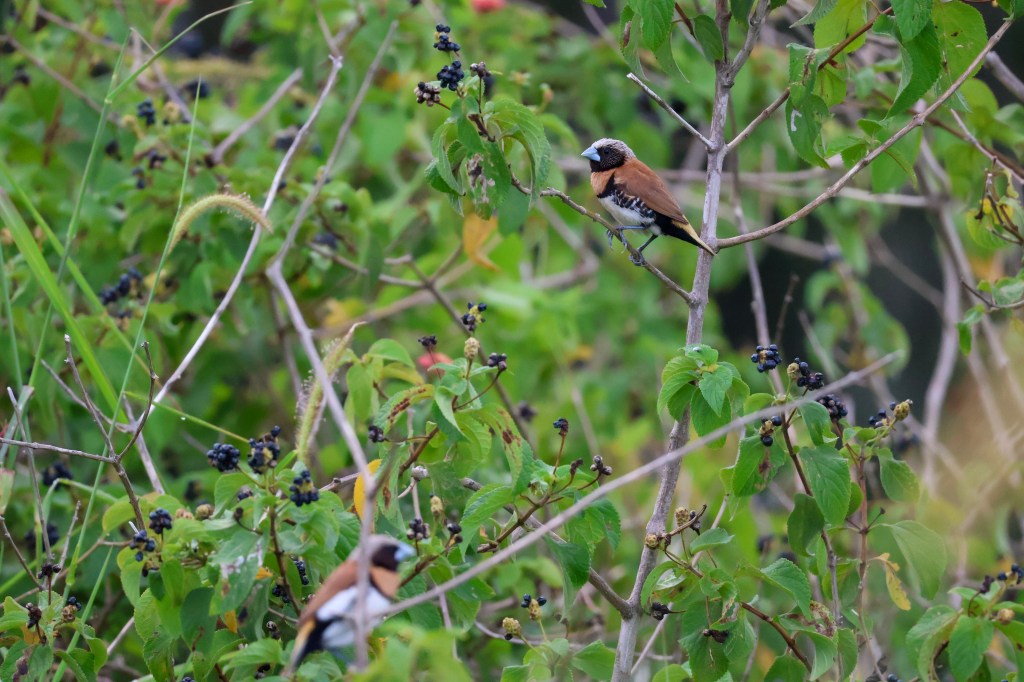
    We spotted a few Sacred Kingfishers flying between trees, and some beautiful Chestnut-breasted Mannikins in the grass.

    Sacred Kingfisher, Todiramphus Sanctus.
    Chestnut-breasted Mannikin, Lonchura Castaneothorax.

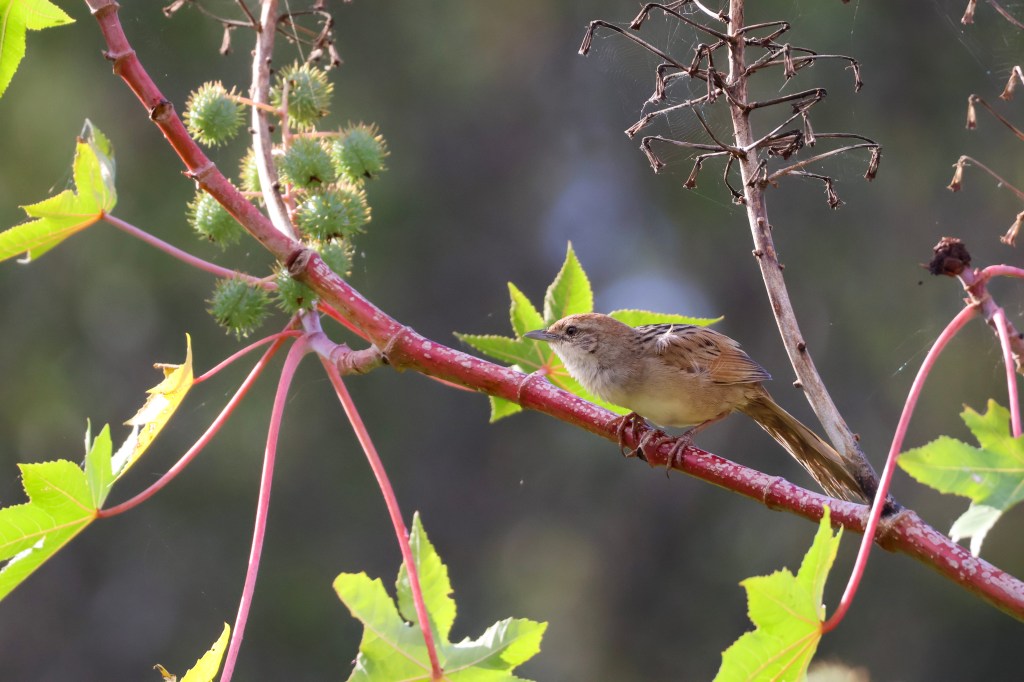
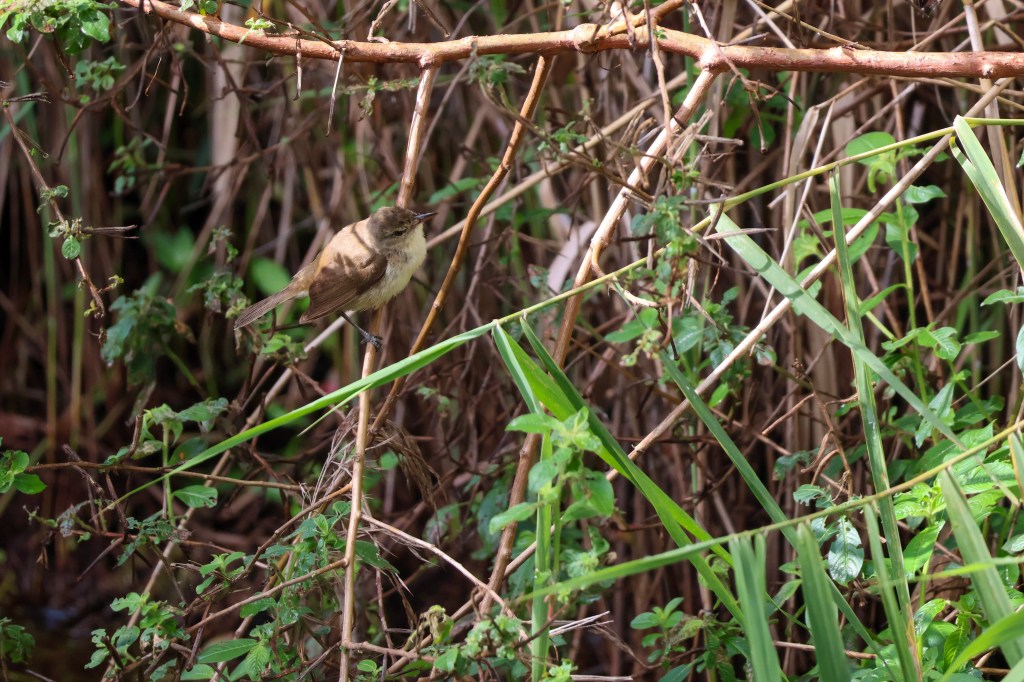
    Tawny Grassbirds were abundant, as were Australian Reed Warblers.

    Tawny Grassbird, Cincloramphus Timoriensis.
    Australian Reed Warbler, Acrocephalus Australis.

    Little Egrets ran around in the shallow water and Variegated Fairywrens did the same in trees.

    Little Egret, Egretta Garzetta.
    Variegated Fairywren, Malurus Lamberti.

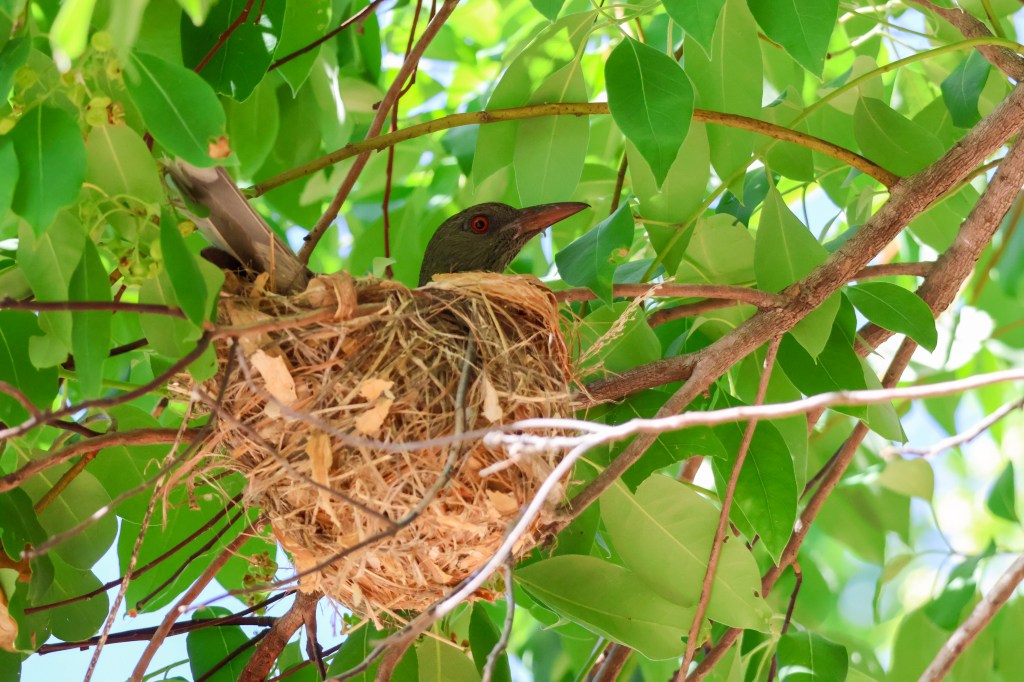
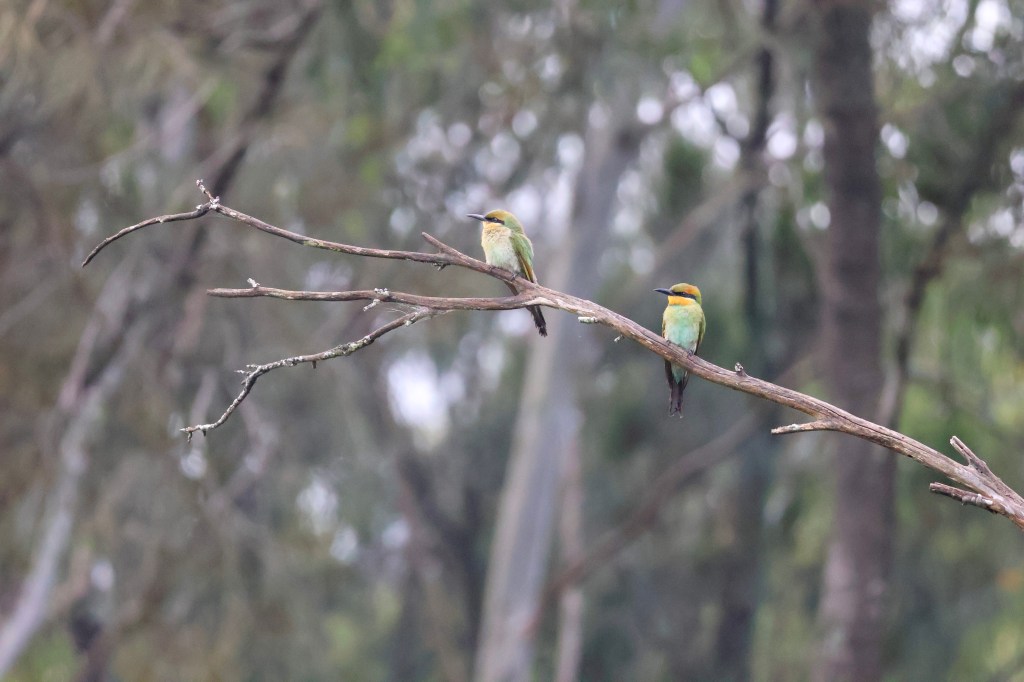
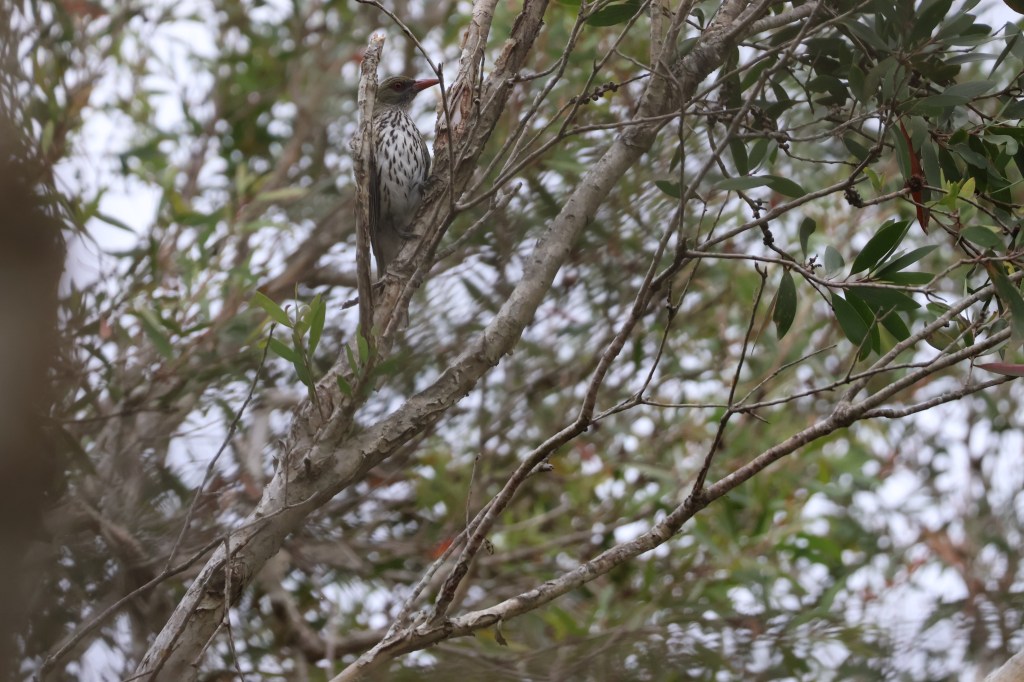
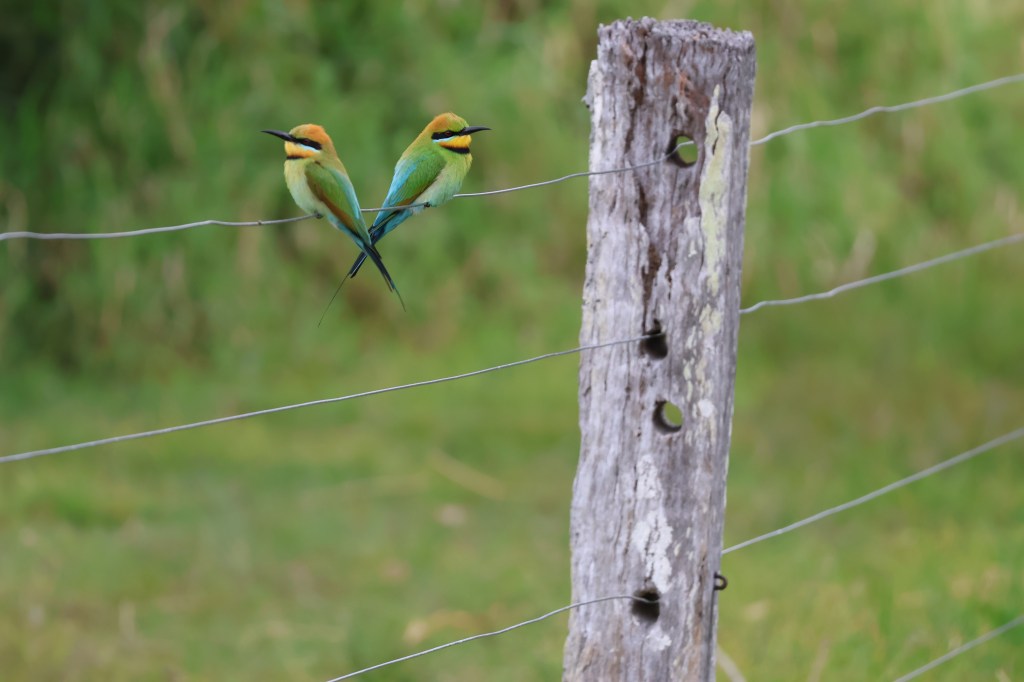
    An Olive-backed Oriole sat on his nest and a group of Rainbow Bee-eaters hawked over the water.

    Olive-backed Oriole, Oriolus Sagittatus.
    Rainbow Bee-eater, Merops Ornatus.

    Although I was disappointed to miss the bittern, I had had a very good morning and had seen tons of birds.

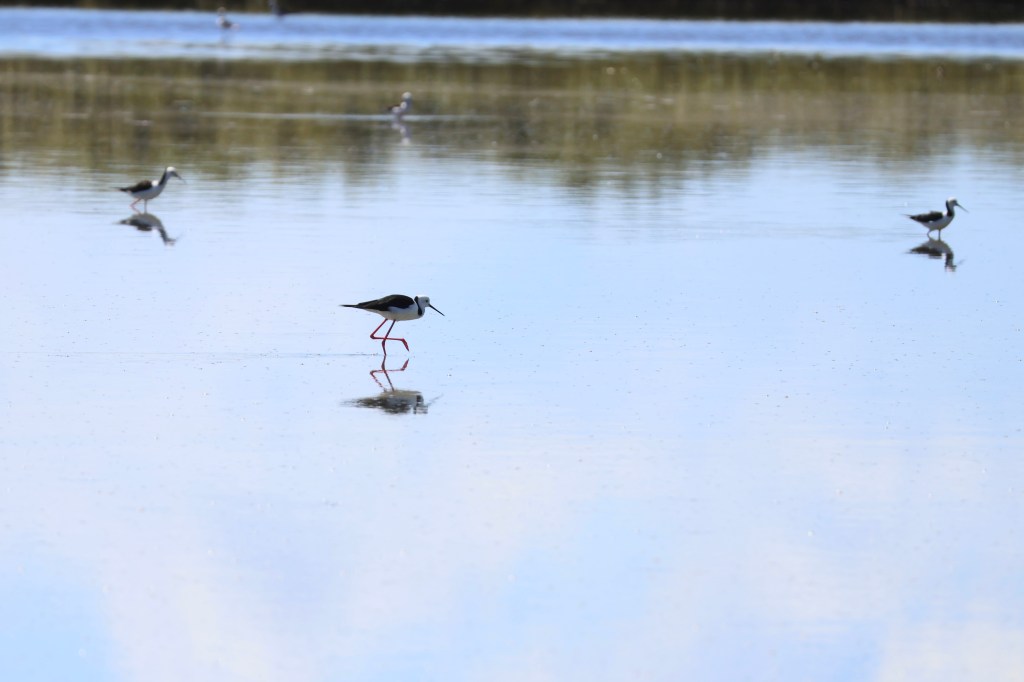
    We then went to Lytton Claypan, a good spot for Mangrove Honeyeater. We didn’t have any luck, but did manage to spot Pied Stilts and Mangrove Gerygones.

    Pied Stilt, Himantopus Leucocephalus.
    Mangrove Gerygone, Gerygone Levigaster.

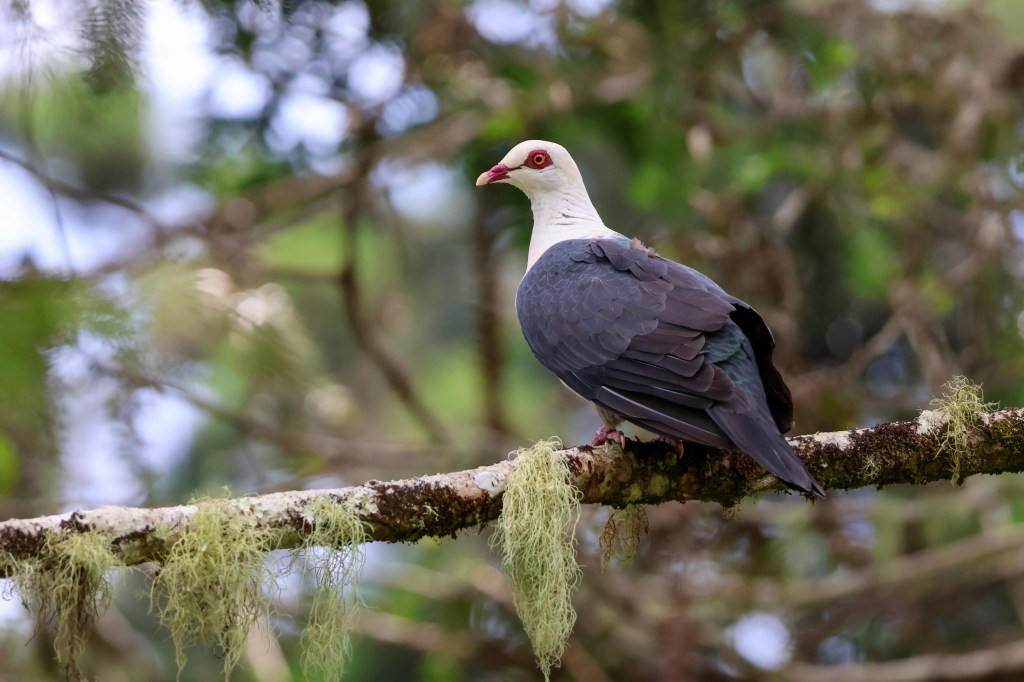
    We then went up to Malany to see my grandpa on my dad’s side, and stayed for lunch. A White-headed Pigeon ate fruit in there backyard.

    White-headed Pigeon, Columba Leucomela.

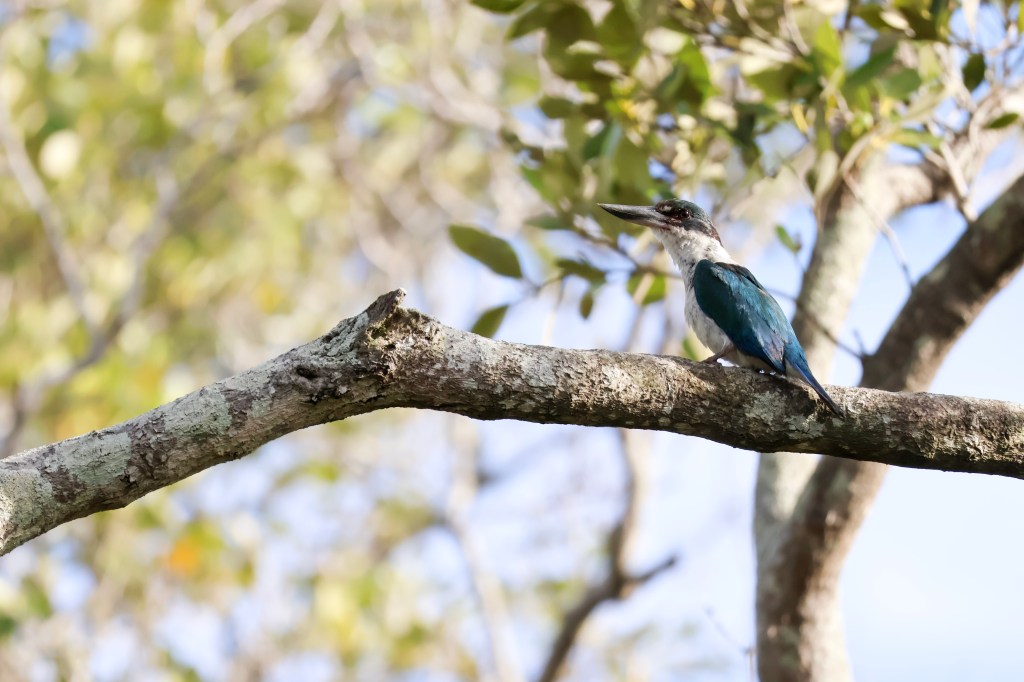
    On the way back to Byron, we stopped at Wynnum Mangrove Boardwalk (see another recent post), to try and see an Australian Owlet-nightjar that was living in a hollow in a tree. Although we were pointed out the hollow by another birder, no Nightjar came out. We were happy with the common Torresian Kingfoshers and a raucous Grey-crowned Babbler, which I was surprised about.

    Torresian Kingfisher, Todiramphus Sordidus.
    Grey-crowned Babbler, Pomatostomus Temporalis.

    I would definitely recommend Brisbane for a day trip to do some birding. You don’t have to rush and there are a few birding spots to choose from.

  • Today we went down to probably the most well known birding spot in Byron Bay, the Byron Wetlands. This place has over 230 bird species, and, at this place, you’ll never be disappointed.

    we started off with a walk around the first cell and spotted some Australasian Swamphens.

    Australasian Swamphen, Porphyrio Melanotus.

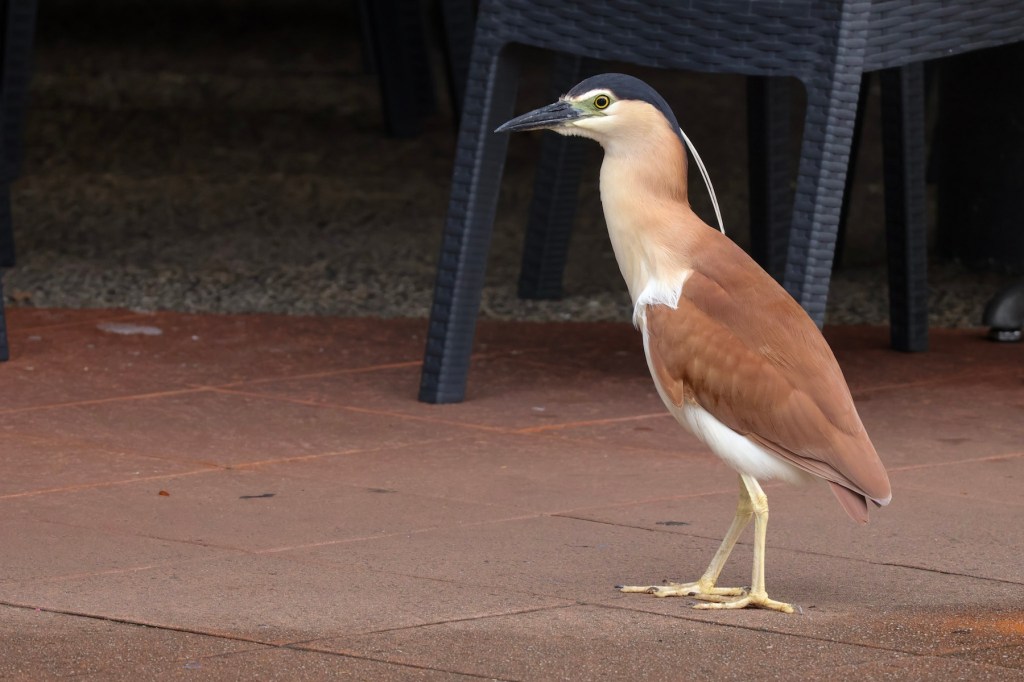
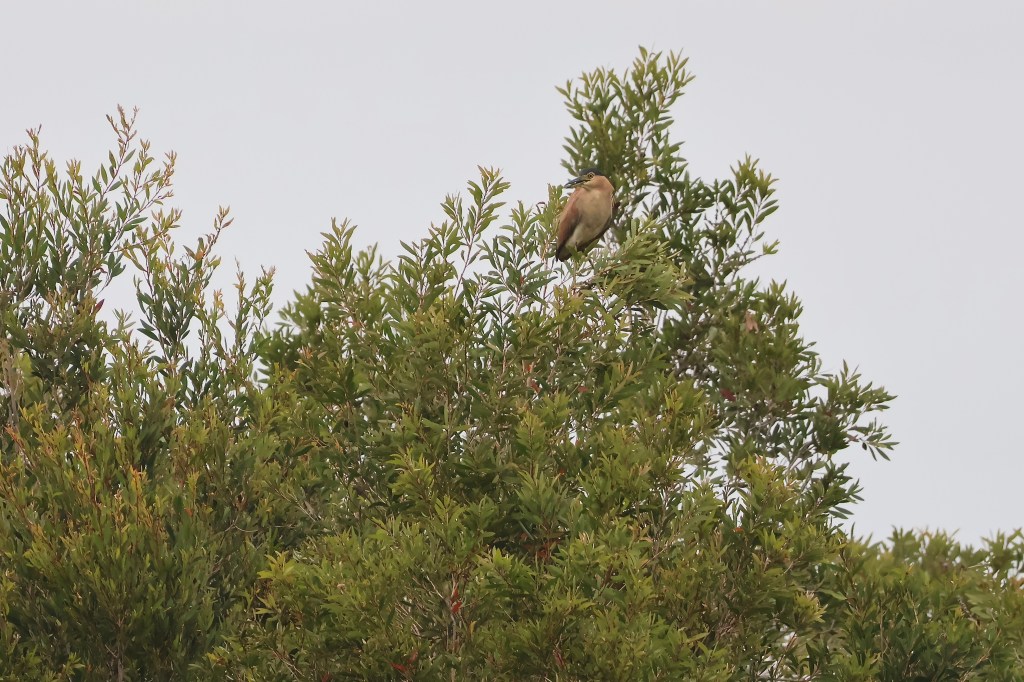
    We wandered on and were just passing a large bush whilst looking for Latham’s Snipe, when we spotted a large, rufous bird at the top of a tree. Rufous body, black cap, white head plumes: this was a Nankeen Night Heron. This bird is a lifer (a bird that I am seeing for the first time) and I was not expecting it.

    Nankeen Night-heron, Nycticorax Caledonicus.

    We walked down a trail, hoping to get closer, and spotted a beautiful male Rufous Whistler.

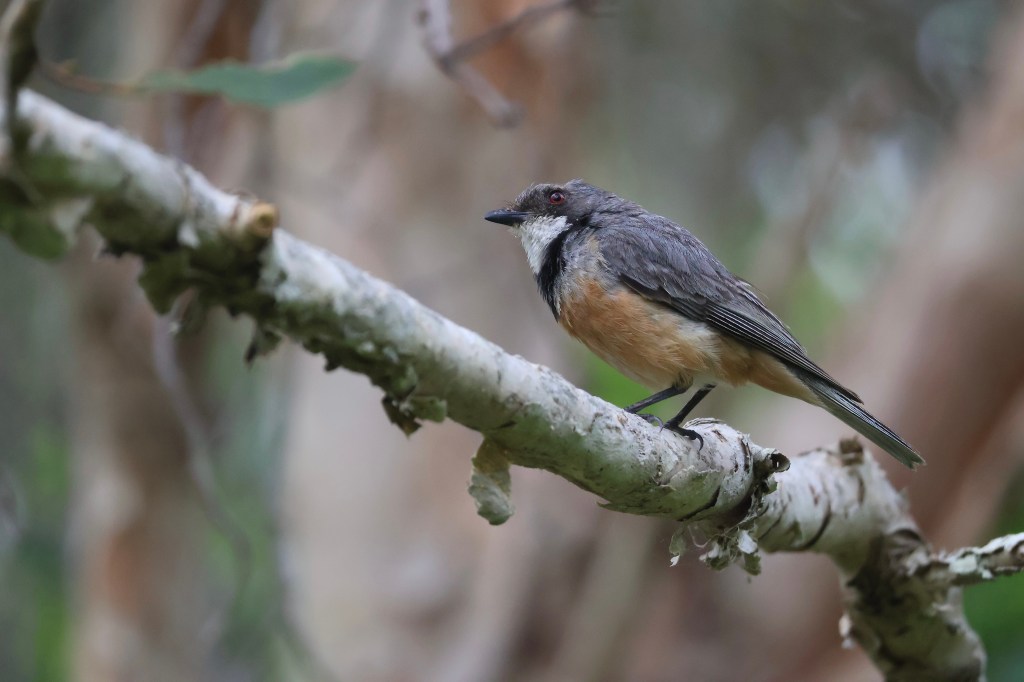
    Rufous Whistler, Pachycephala Rufiventris.

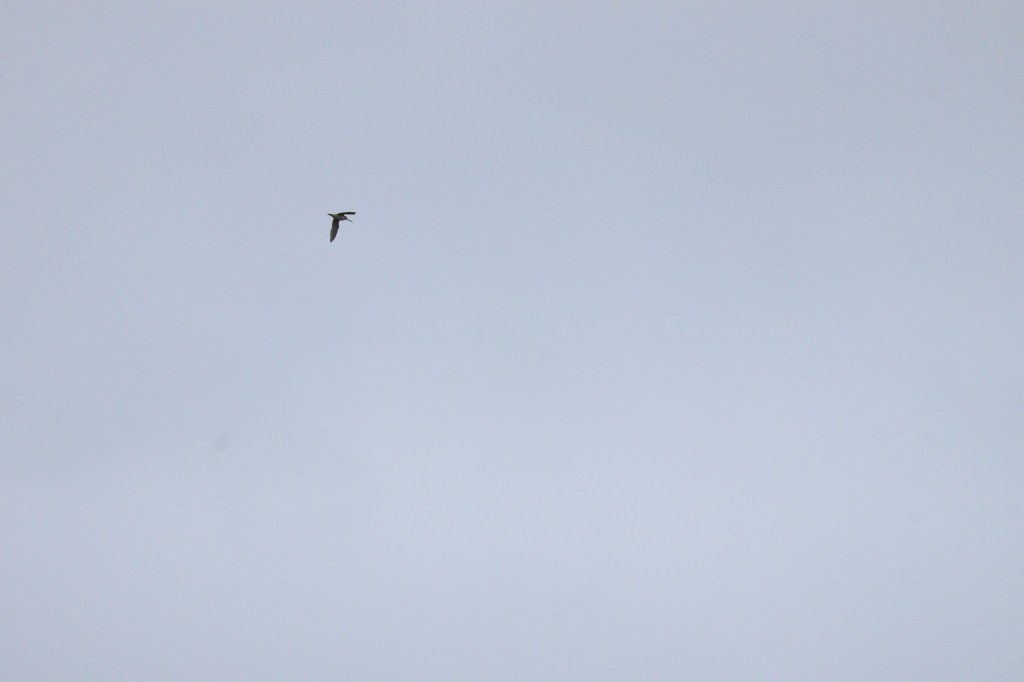
    A sudden noise of fast wingbeats and a Latham’s Snipe shot out of the reeds like a bullet. This bird only arrives in Byron for the summer and are not common. This is a poor photo.

    Latham’s Snipe, Gallinago Hardwickii.

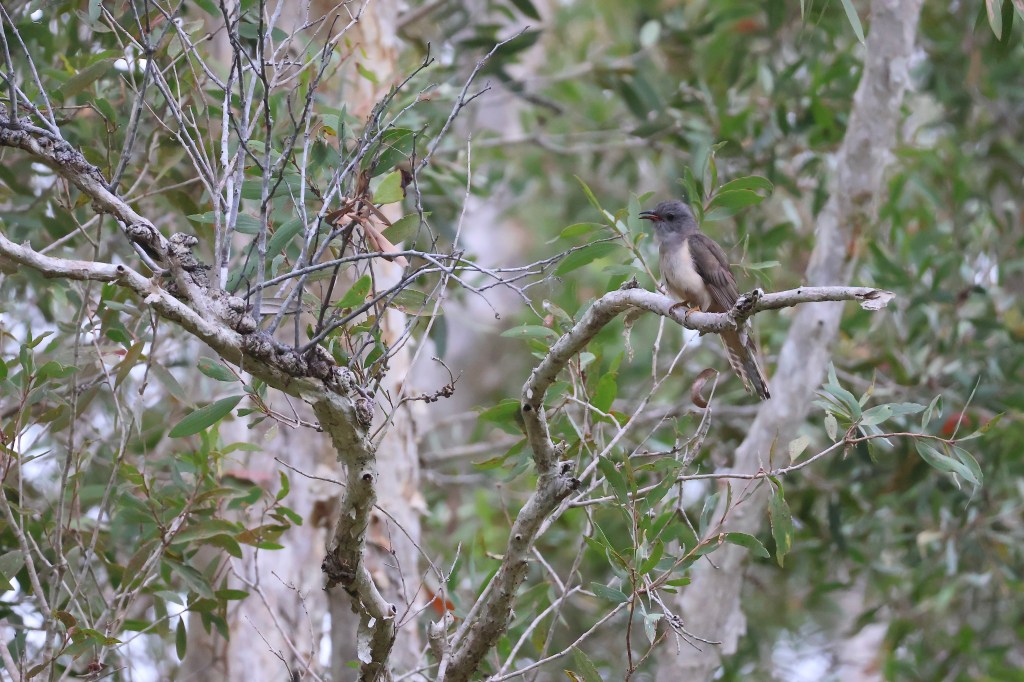
    We heard an unfamiliar call and followed it into the forest. The bird flew out from another tree and it turned out to be a Sahul Brush Cuckoo, another uncommon bird.

    Sahul Brush Cuckoo, Cacomantis Variolosus.

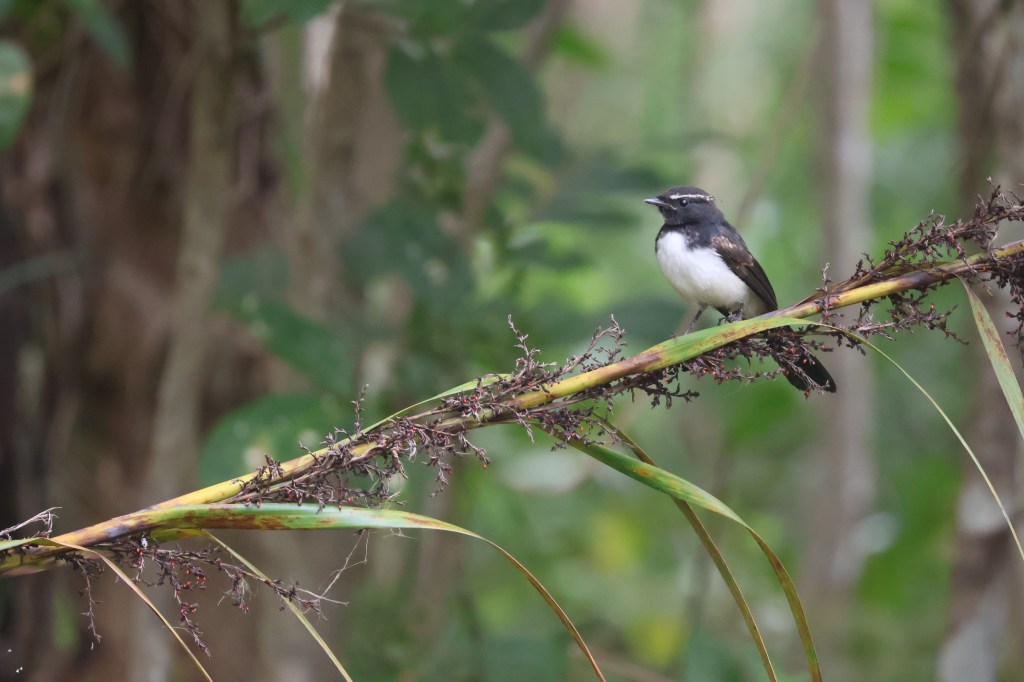
    Willie Wagtails were common and so were Olive-backed Orioles.

    Willie Wagtail, Rhipidura Leucophrys.
    Olive-backed Oriole, Oriolus sagittatus.

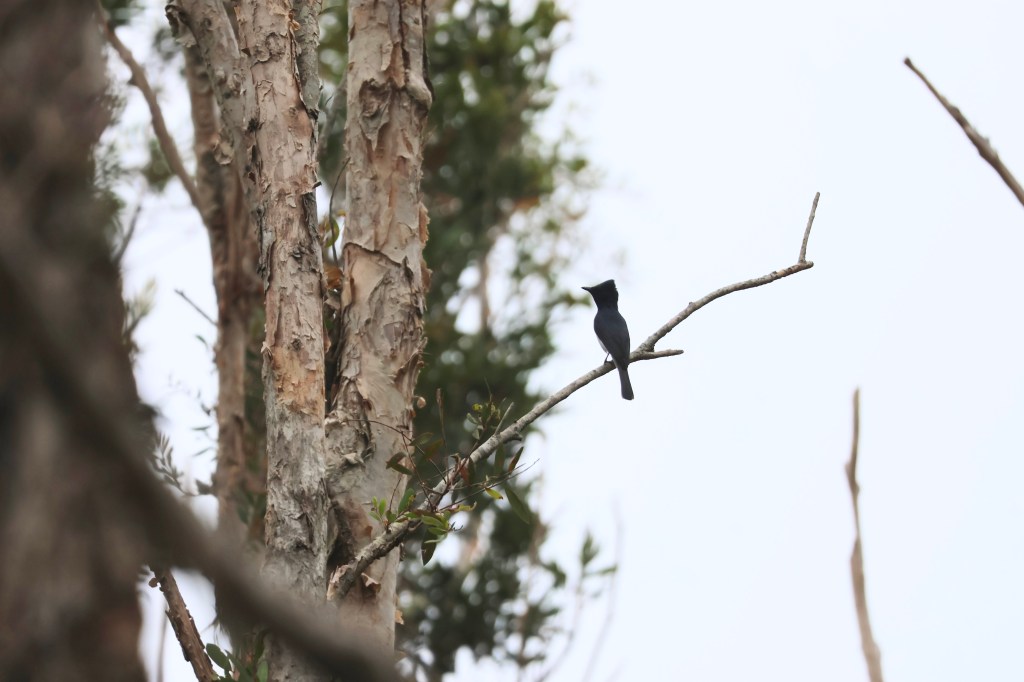
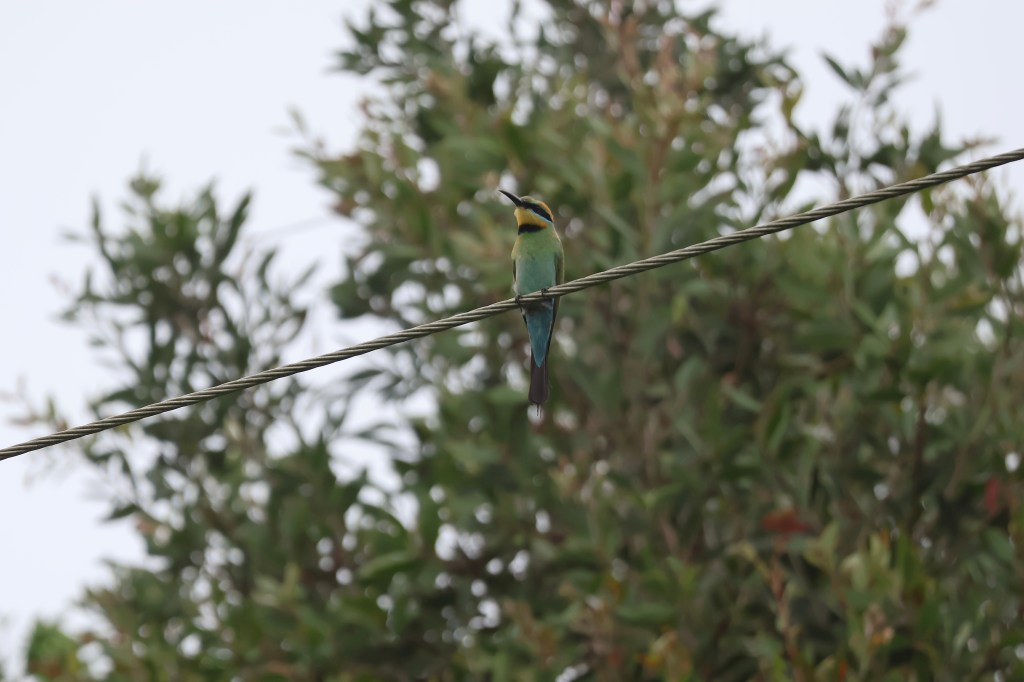
    A Leaden Flycatcher called its heart out on a dead branch and a Rainbow Bee-eater sat on a wire.

    Leaden Flycatcher, Myiagra Rubecula.
    Rainbow Bee-eater, Merops Ornatus.

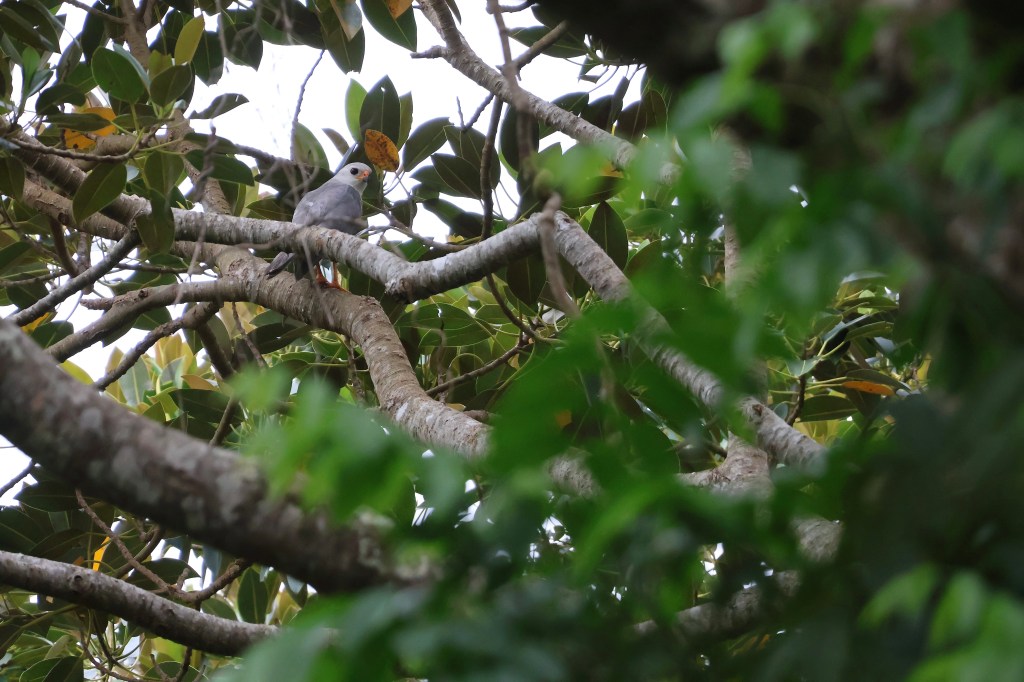
    The last bird was a magnificent Grey Goshawk, which sat in a fig tree and gazed across the landscape.

    Grey Goshawk, Tachyspiza Novaehollandiae.

    I would 100% recommend this place to any bird lover. Tow things before you go there: the site is on a working STP and you need a council key to get in and out.

  • Coming back from the Ashes in Brisbane, we stopped at birdwatching place that I had heard of. It was called Wynnum Mangrove Boardwalk and this is a place we will definitely come back to!

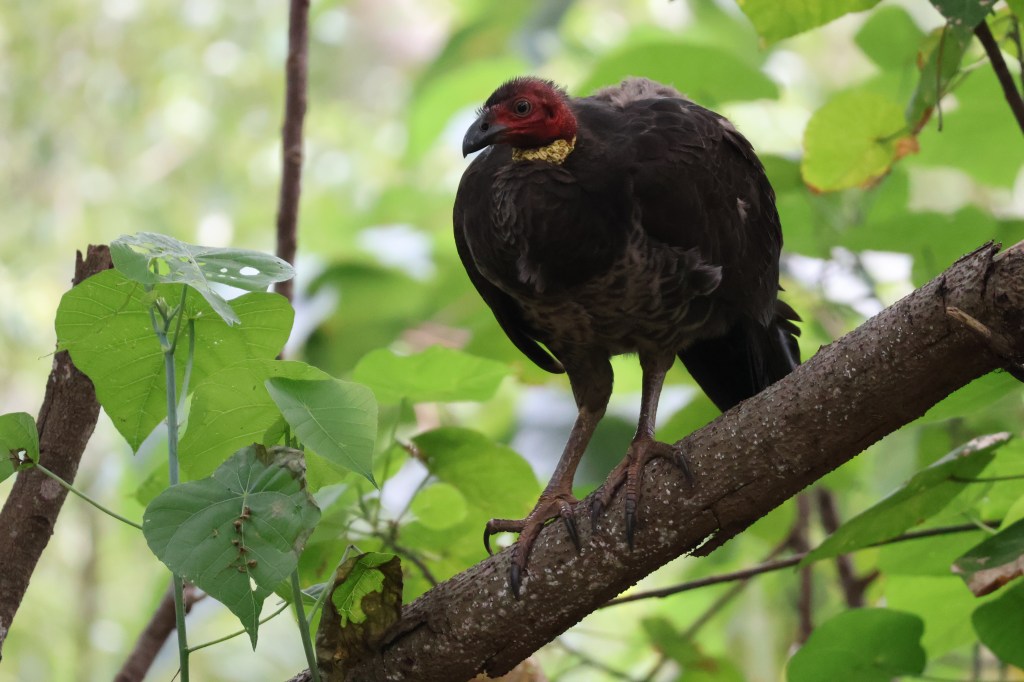
    This place is 20 minutes from the Brisbane Airport and moves through dense mangroves and forest. We started the walk and the first bird we saw was this brush-turkey sitting on a branch, which is unusual as this species is usually seen on the ground.

    Australian Brush-turkey, Alectura Lathami.

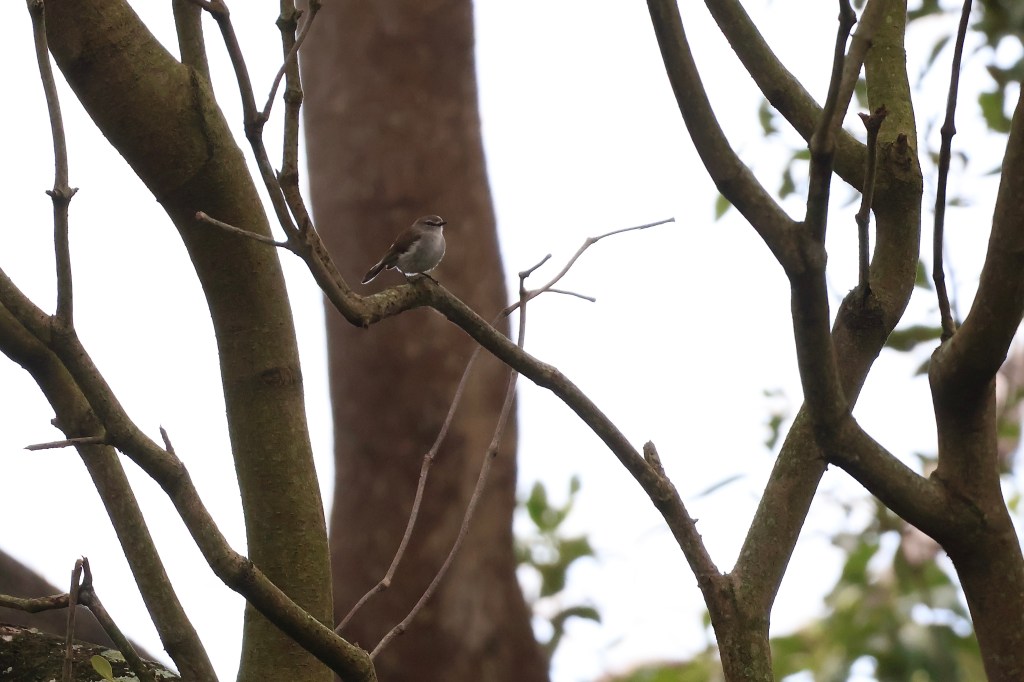
    A Mangrove Gerygone sat on a mangrove root and called it’s heart out.

    Mangrove Gerygone, Gerygone Levigaster.

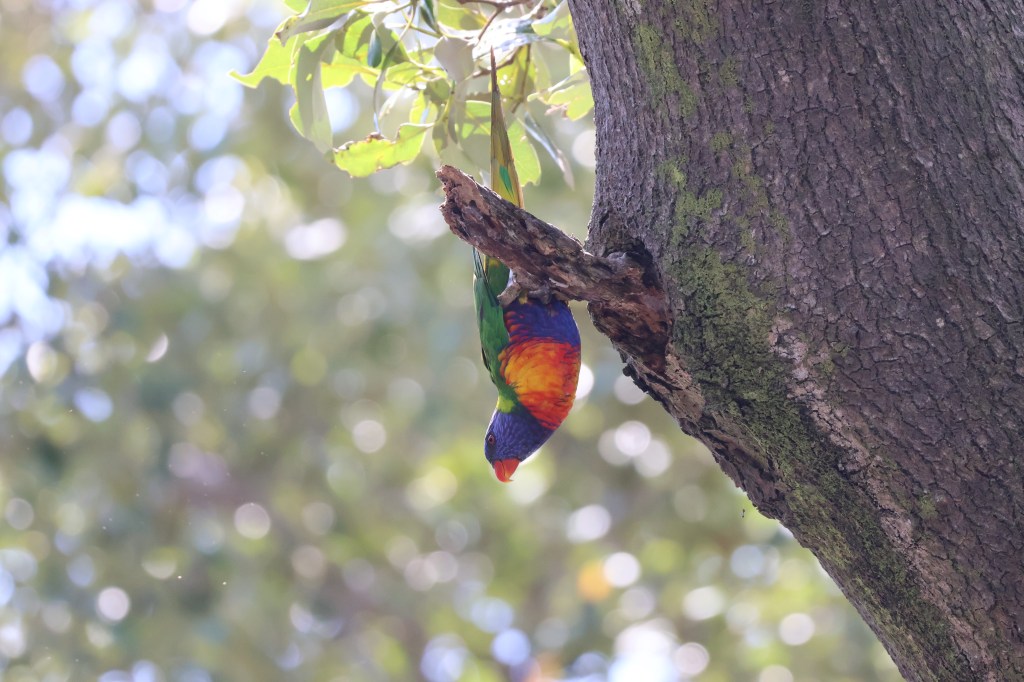
    As we walked, a Rainbow Lorikeet hung on an overhanging branch. I’m unsure if it was building a nest or was just feeding.

    Rainbow Lorikeet, Trichoglossus Moluccanus.

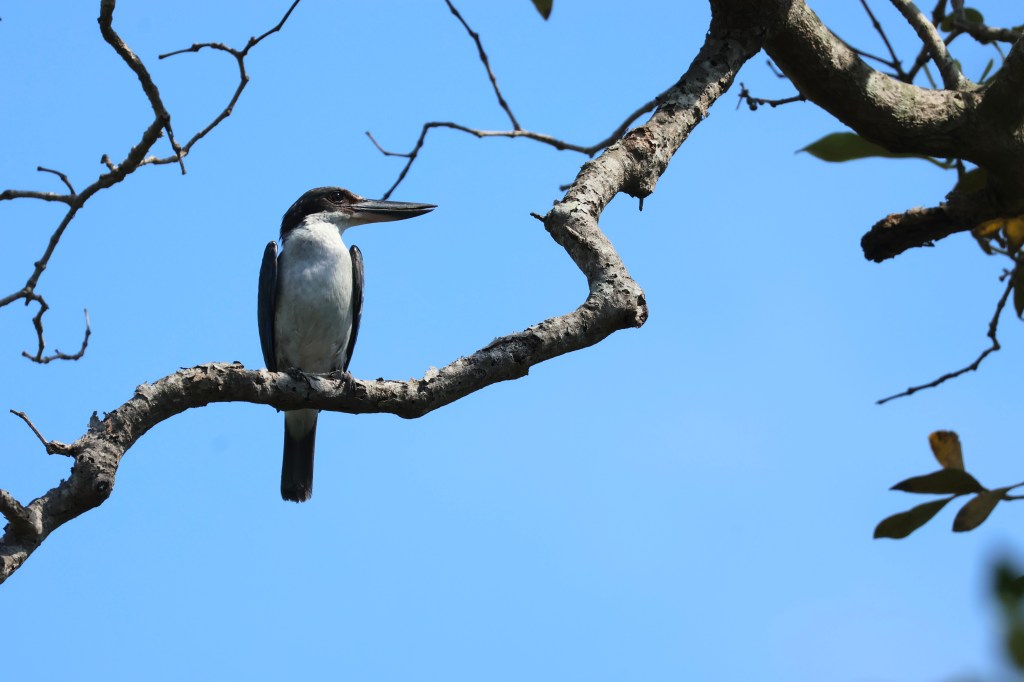
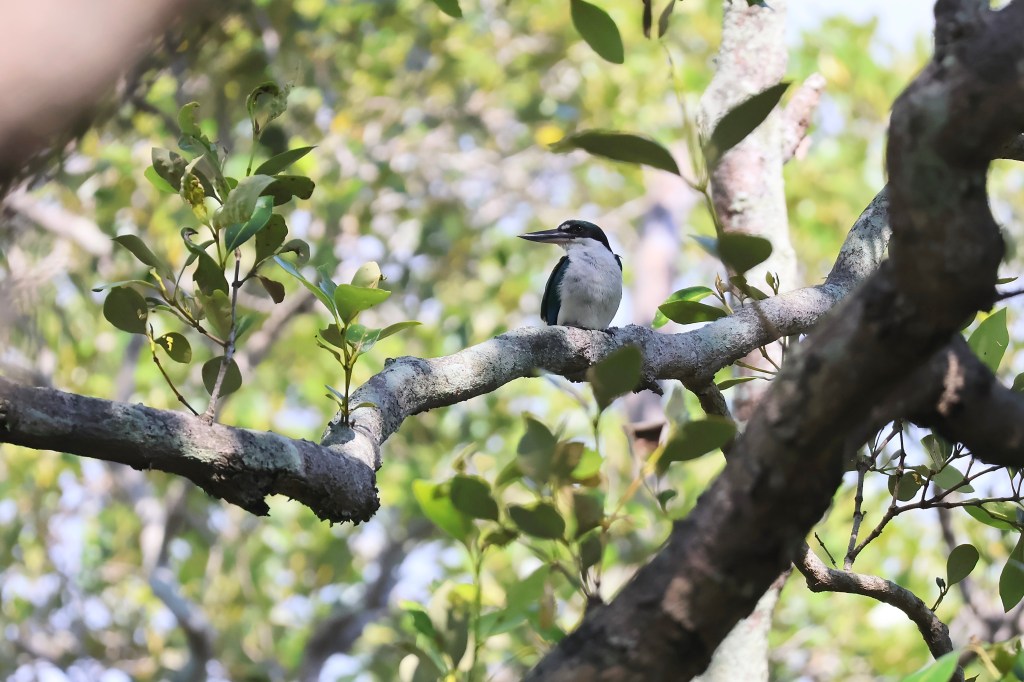
    The star of the show were the Torresian Kingfishers, which I have only seen on one occasion. They were constantly calling and flying across the track. They have a dark blue back and a white front. They have a large beak that they use for catching crabs and other invertebrates in the mangroves.

    Torresian Kingfisher, Todiramphus Sordidus.

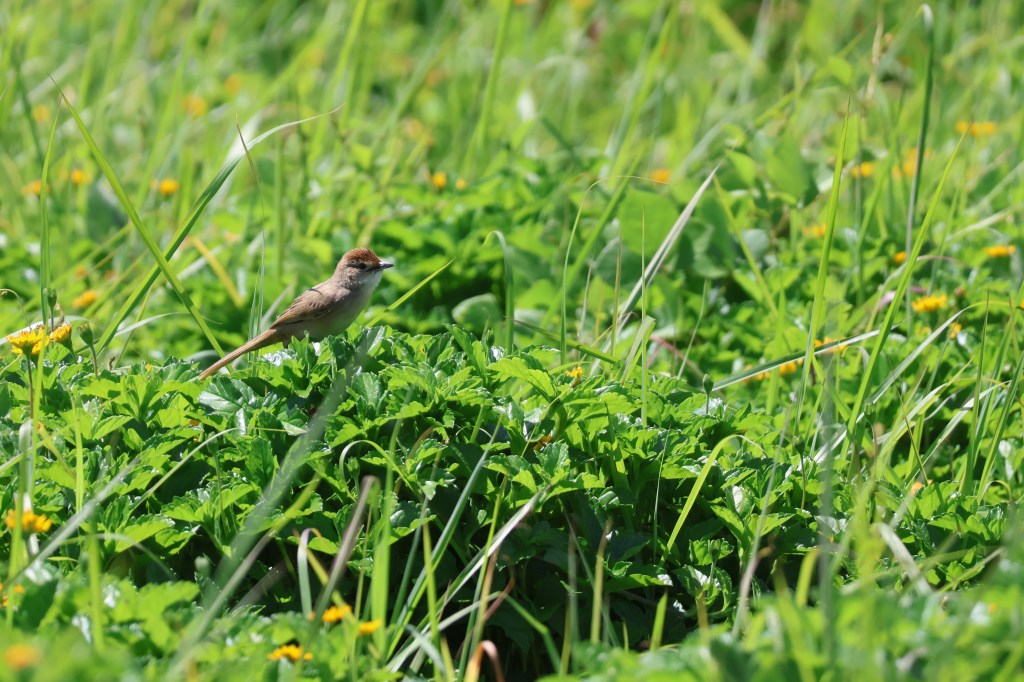
    As we neared the end of the walk, a pair of Tawny Grassbirds hopped up from the grass.

    Tawny Grassbird, Cincloramphus Timoriensis.

    Although we were only here for 1 hour, I would recommend that you stay here for longer. Just bring insect repellent!

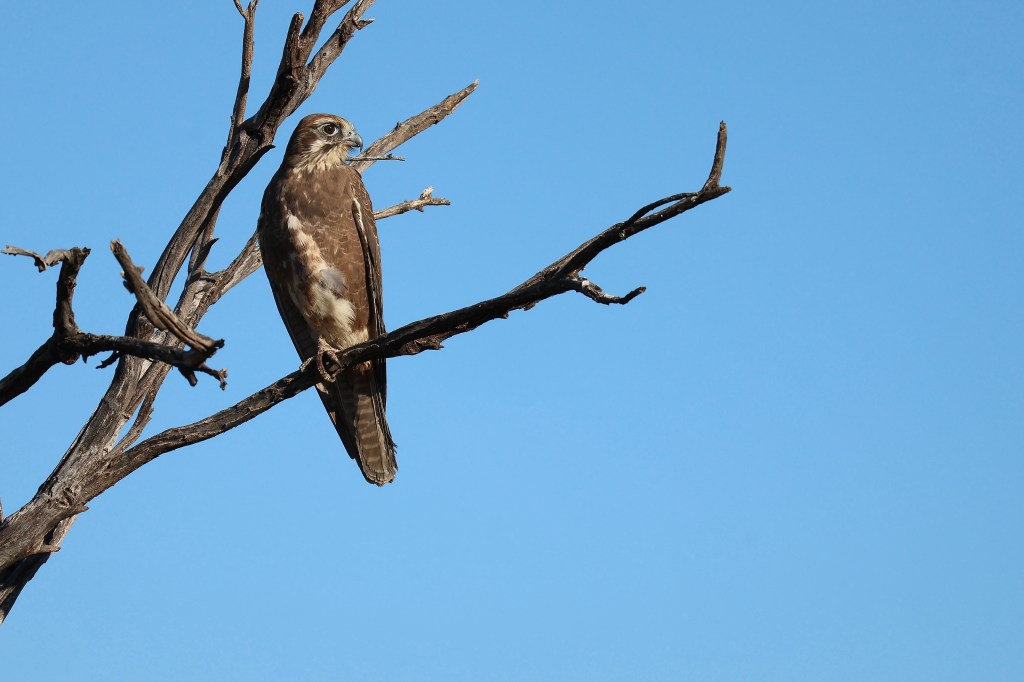
  • Brown Falcons are a bird of prey that live on most of Mainland Australia, in grasslands. They have 3 morphs: Pale, Dark and Light Brown. They don’t build their own nests, they use nests of other birds. 

    Size: 40-55cm

    Food: Small Mammals, Reptiles, Birds and Invertebrates.

    Call: Loud Cackling.

    Often seen sitting on lampposts, wires and fences.

  • Old Sewage Ponds used to be a great spot for Double-barred Finch, but, sadly, I haven’t seen them here for almost a year. Still, this place has so many other species to offer with over 190 birds recorded. Let’s dive right in!

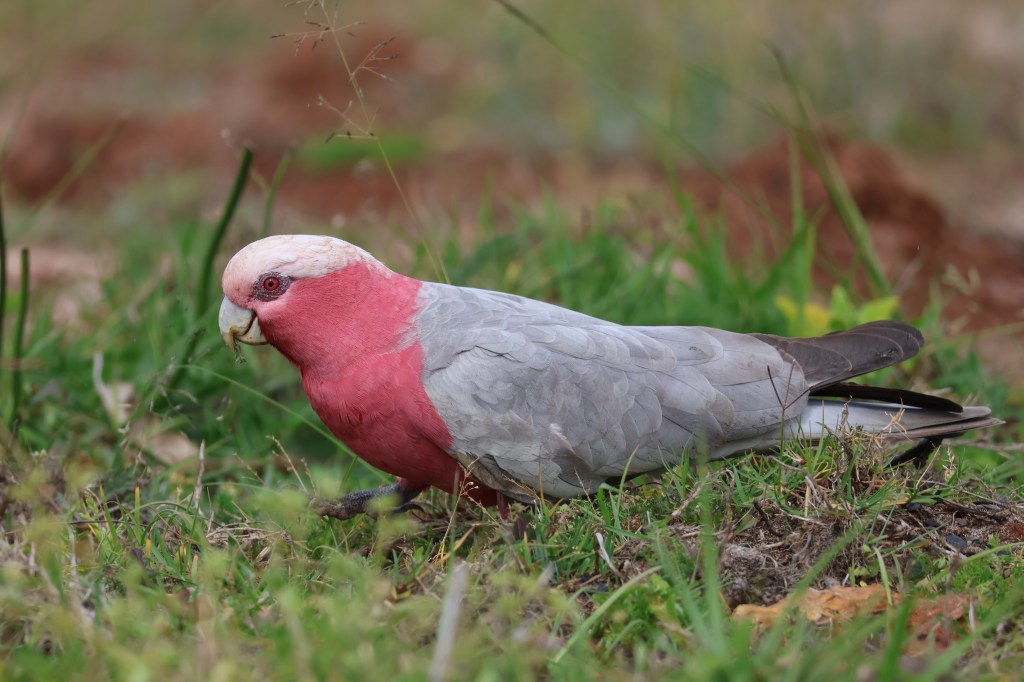
    We started at the walking track through forest and heath, leading up to the two large ponds. We walked past a pair of Galahs feeding on grass seeds on the sandy soil and a Spotted Dove. Spotted Doves are introduced to Australia but do not do any massive damage.

    Galah, Eolophus Roseicapilla.
    Spotted Dove, Spilopelia Chinensis.

    A Superb Fairywren fed on insects in the grass and a Variegated Fairywren foraged in the canopy.

    Superb Fairywren, Malurus Cyaneus.
    Variegated Fairywren, Malurus Lamberti.

    We walked on and found a nesting site for Rainbow Bee-eaters. These gaudy birds nest in sand burrows on the ground where they are vulnerable to predation.

    Rainbow Bee-eater, Merops Ornatus.

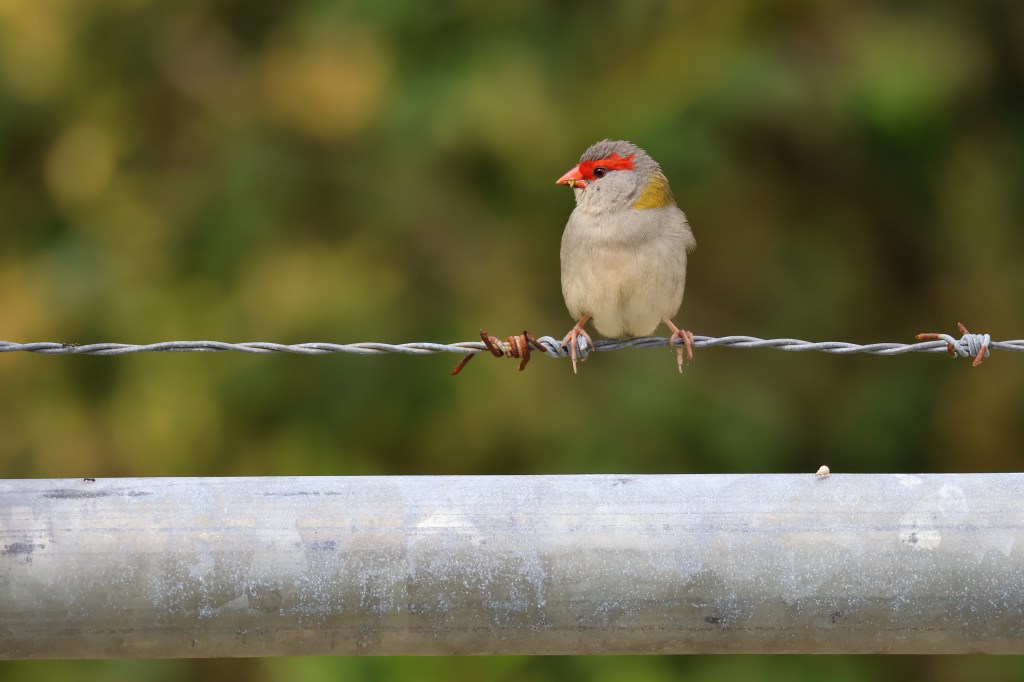
    Energetic Red-browed Finches danced in the grass and a Rufous Whistler fed in the Melaleuca Trees.

    Red-browed Finch, Neochmia Temporalis.
    Rufous Whistler, Pachycephala Rufiventris.

    An Australian Reed Warbler moved about cheekily in the reeds and made it difficult to photograph him.

    Australian Reed Warbler, Acrocephalus Australis.

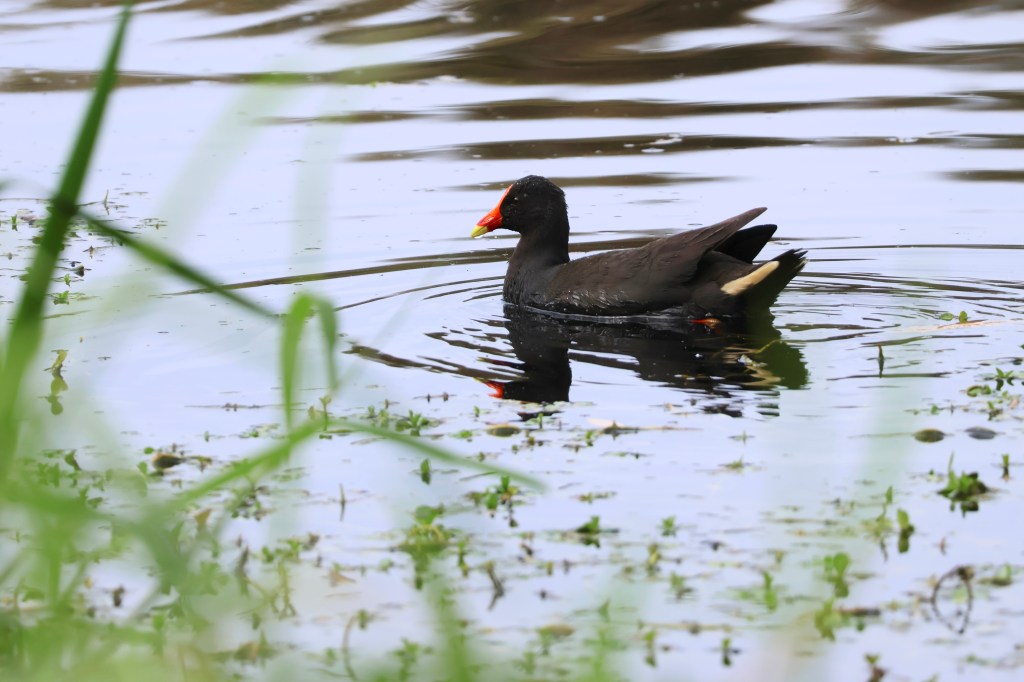
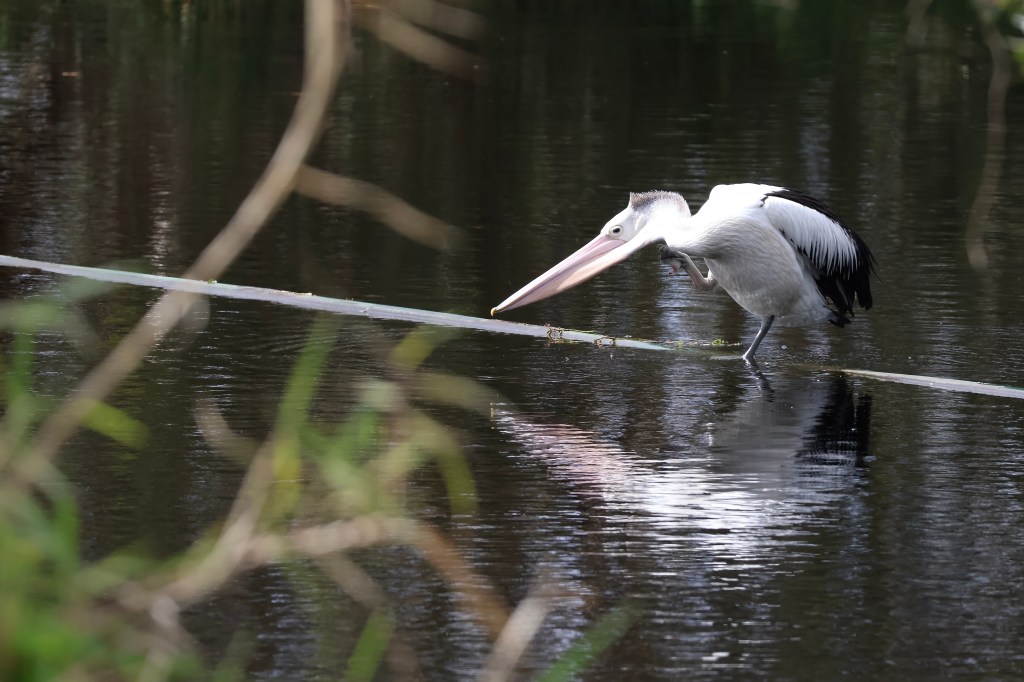
    Dusky Moorhens and Eurasian Coots Fed on the Ponds and an Australian Pelican sat in the middle.

    Dusky Moorhen, Gallinula Tenebrosa.
    Australian Pelican, Pelecanus Conspicillatus.

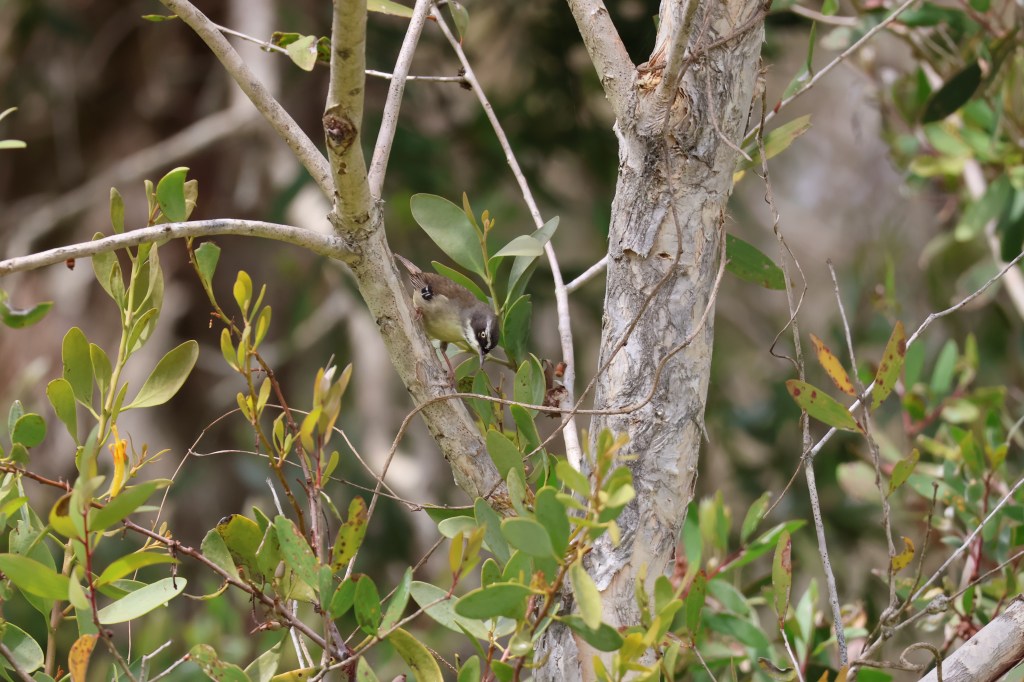
    A White-browed Scrubwren chattered on a branch and a White-breasted Woodswallow sat in a dead tree.

    White-browed Scrubwren, Sericornis Frontalis.
    White-breasted Woodswallow, Artamus Leucorynchus.

    The bridge that connects the track to the beach is temporarily closed but it is still a wonderful place to go birdwatching and hang out. This place suits anyone from young to old, and is certainly worth a visit.

  • During the school holidays, we decided to go to Flat Rock as we hadn’t been there for a few months. Flat Rock is a mecca for shorebirds. It is a rocky outcrop looking out off the water just outside Ballina and all sorts of rarities can turn up there.

    We got out of the car and immediately spotted an Australian Brushturkey sifting through leaf-litter and feeding on bugs.

    Australian Brushturkey, Alectura Lathami.

    We got down to the beach and realised it was extremely windy. it was a strong southerly and the sand was flying around everywhere. Nothing that would stop us, though!

    A flock of Crested Terns sat quietly, watching us, while a White-faced Heron patrolled the rockpools.

    Crested Tern, Thalasseus Bergii.

    A flock of shorebirds caught my attention as they frolicked in the foam. Tiny Red-necked Stints ran around on stumpy little legs, feeding on invertebrates in the algae. these birds fly all the way to Australia from Alaska in the summer, following a path called the East-Asian-Australasian Flyway.

    Red-necked Stint, Calidris Ruficollis.

    Ruddy Turnstones ran comically around the pools, occasionally flying up into the air when a larger wave came.

    Ruddy Turnstone, Arenaria Interpres.

    Curlew Sandpipers poked their long, curved beaks into rocky crevices, prying out small creatures. These birds are listed as Vulnerable by the IUCN red list.

    Curlew Sandpiper, Calidris Ferruginea.

    A lone Grey-tailed Tattler rushed around the slippery, moss-covered rocks looking for limpets.

    Grey-tailed Tattler, Tringa Brevipes.

    A pair of Sooty Oystercatchers fed on large limpets that were stuck to the moss. These particular birds didn’t mind me getting quite close so I was able to get some beautiful shots.

    Sooty Oystercatcher, Haematopus Fuliginosus.

    Australasian Gannets dove out to sea and a Pied Cormorant sat on a rock.

    Pied Cormorant, Phalacrocorax Varius.

    As we were photographing, I noticed a different cormorant sitting with the Pied. It had the body of a Great and the head of a Pied. We realised it was a hybrid between the Great and Pied Cormorants. Hybrids like this are rare and it was a great sighting.

    Great X Pied Cormorant.

    I heartily recommend Flat Rock to other birdwatchers and, if you don’t see a hybrid cormorant, I can guarantee if you go in summer, you will still get to enjoy the stints.